


















































For decades, one of procurement’s most visible measures of success has been simple: how much did we save? But when a delayed delivery can cost far more than the savings secured in the first place, that measure of success starts to look dangerously narrow.
The cheapest bid is not always the lowest-cost decision. A procurement team that secures a five per cent saving on a critical component but contributes to a three-month project delay has not delivered value. The saving may look good on a procurement scorecard, but it means very little when weighed against idle labour, disrupted contractors, contractual penalties and a delayed completion date.
Across the GCC, where projects are becoming larger, more complex and increasingly dependent on international supply chains, procurement’s job is, therefore, changing. Cost control remains essential but delivery certainty, supplier resilience and commercial risk increasingly sit alongside it.
That evolution is already visible in where procurement sits within organisations. CIPS’ Global State of Procurement & Supply 2026 found that 52 per cent of procurement leaders say the function now has greater influence over organisational spend, while one-third report directly to the CEO, managing director or owner. This is more than double the level recorded in previous surveys. Procurement is increasingly being brought closer to the decisions that determine whether an organisation can deliver, not simply how much it spends.
The real cost of the cheapest bid
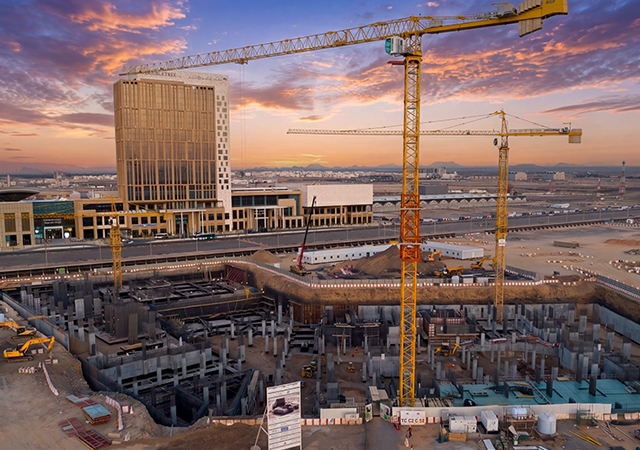
Construction makes this distinction particularly clear. A critical material or component may represent a relatively small proportion of the overall project budget but if it fails to arrive at the point it is needed, the financial consequences can multiply quickly.
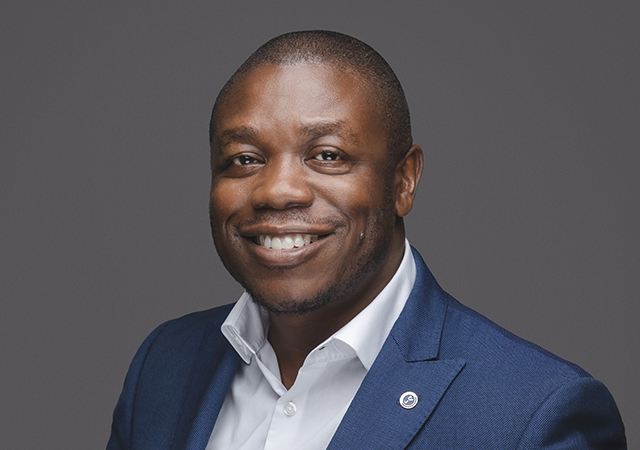
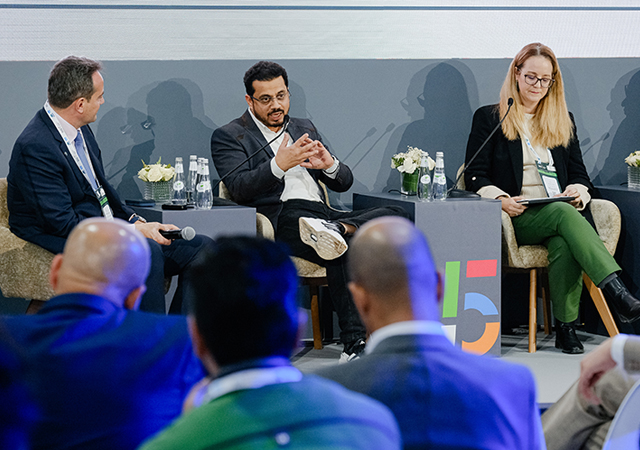
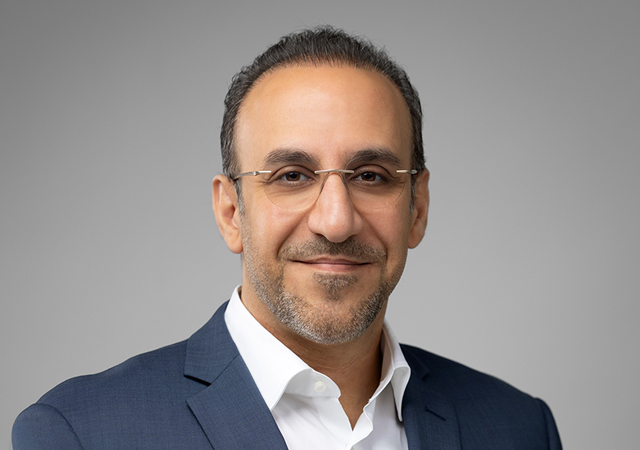
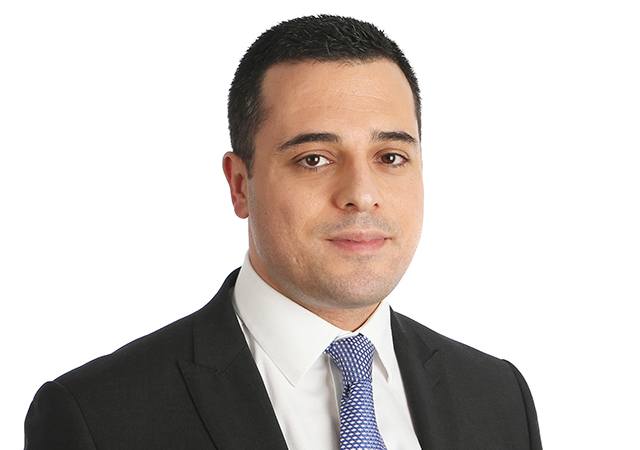
Achampong ... “Understanding where vulnerabilities lie, building the right supplier relationships and making commercial decisions with the whole project in mind are the key to success”.
Workers and equipment can be left idle, carefully sequenced programmes can be disrupted, contractors further down the line can be prevented from starting work and completion dates can slip. Procurement cannot, therefore, be judged by savings in isolation. If the materials arrive late, the supplier fails or the project cannot proceed, it does not matter how successful the original negotiation appeared to be. Procurement performance has to be measured against the commercial outcome it helps the organisation achieve and that requires a broader understanding of value.
Price still matters but so do lead times, supplier capacity, financial stability, quality, logistics exposure and the availability of alternatives. Procurement teams need to understand not just what something costs, but what could prevent it from arriving, as well as what the commercial consequences would be if it did not.
Delivery certainty is the new measure of value
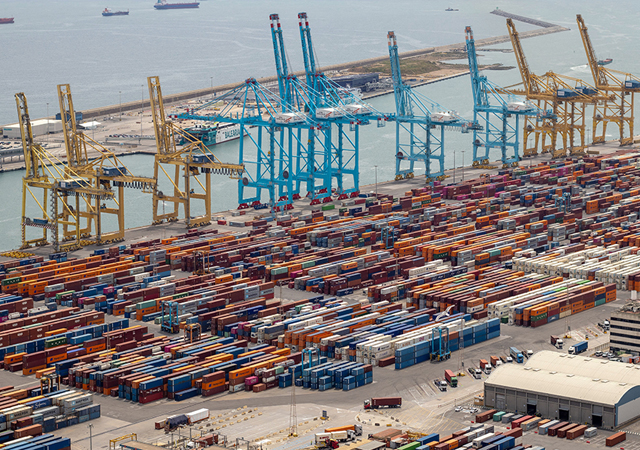
This is particularly relevant across the GCC. Projects in Saudi Arabia, the UAE, Qatar and elsewhere in the region draw on highly international supply chains. Specialist equipment, materials and expertise may be sourced from multiple continents before arriving on site. That creates opportunity but it also creates exposure.
Geopolitical tension, shipping disruption, commodity volatility, extreme weather and changing trade conditions can all affect the availability, price and movement of critical goods. Events thousands of kilometres away can have an immediate impact on a construction programme in the Gulf.
The answer is not to attempt to predict every disruption, that is impossible. The priority is to understand where the project is most exposed and build enough resilience into the supply chain to respond when circumstances change.
The profession itself recognises this challenge. CIPS’ latest global research found that 47 per cent of procurement and supply professionals identified risk management as an area they most want to improve – level with new technology skills and ahead of negotiation at 42 per cent.
That tells us something important about where procurement is heading. Negotiating the deal remains fundamental, but understanding what could prevent that deal from delivering has become just as critical. It also means procurement needs to be involved earlier.
If the function enters the conversation only after specifications, suppliers and delivery schedules have largely been decided, some of the biggest opportunities to reduce risk have already disappeared. Early procurement involvement can identify long-lead items, assess market capacity, challenge unrealistic assumptions and establish where alternative suppliers, sourcing routes or specifications may be required.
Looking beyond tier-one suppliers
Managing delivery risk also requires organisations to look beyond their immediate suppliers. A tier-one contractor may appear financially secure and operationally resilient while depending on a single manufacturer, raw material, subcontractor or shipping route further down the supply chain.
That dependency may be largely invisible to the project owner, until something goes wrong. Procurement teams, therefore, need to ask more difficult questions. Where are critical components actually manufactured? Which materials have limited alternative sources? Where are the longest lead times? Which suppliers or subcontractors would be hardest to replace? What happens if a key transport route becomes unavailable?
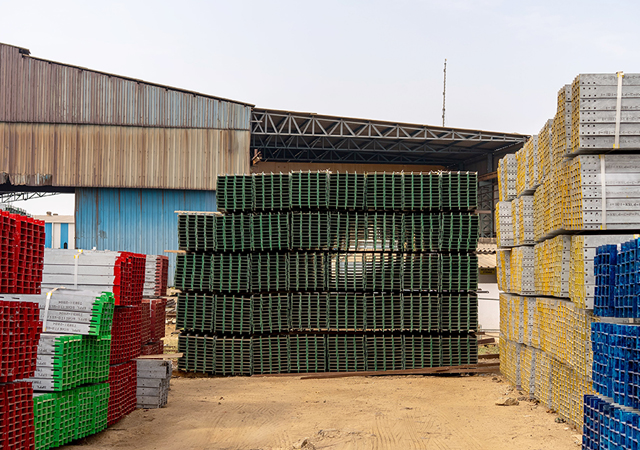
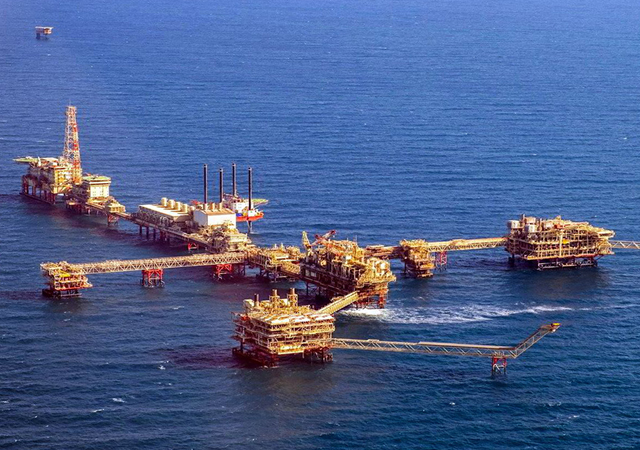
Early procurement involvement can identify long-lead items and assess market capacity.
This does not mean mapping every supplier at every tier with the same level of scrutiny. On projects of the scale under way across the GCC, that would be unrealistic. But it does mean identifying the areas where disruption would have the greatest impact on delivery and focusing attention accordingly.
Technology and better supply-chain data are improving visibility, but procurement professionals still need the commercial judgement to interpret that information, understand its implications and act early enough to make a difference.
Supplier relationships are commercial infrastructure
There is another aspect of resilience that can be underestimated: the quality of supplier relationships. Construction is, rightly, highly contractual. Major projects require clear specifications, commercial terms, responsibilities, liabilities and milestones but a contract cannot solve every problem once disruption has occurred.
When capacity becomes constrained or a shipment is delayed, organisations that have strong relationships with critical suppliers may be better positioned to understand the problem earlier, explore alternatives and secure scarce capacity.
This is particularly relevant in the region. CIPS research found that 48 per cent of procurement professionals in the Middle East and North Africa (Mena) region consider supplier relationship management one of the most important skills for the profession.
That should not be confused with taking a softer approach to supplier performance. Strong supplier relationships still require commercial discipline, accountability and clear expectations but strategic suppliers are part of the project’s delivery ecosystem and managing them cannot end when the contract is signed.
Procurement teams need to monitor financial health, capacity, quality and lead times throughout delivery, while creating the openness and escalation routes required to identify problems before they become project-critical.
Resilience does not mean paying more
None of this means cost has become unimportant. Nor does resilience mean stockpiling every material, dual sourcing every contract or automatically choosing the most expensive supplier. Resilience has a cost too and procurement’s job is to understand where spending more to reduce risk creates genuine commercial value.

A component that costs five per cent more but comes with a significantly more secure supply route may be the better commercial decision if its absence could delay a multimillion-dollar project.
For some critical components, additional inventory may be justified. Elsewhere, alternative suppliers, regional sourcing, flexible specifications or different contractual arrangements may provide greater protection. In other categories, the supply risk may be low enough that price should remain the dominant consideration. The skill is knowing the difference.
A component that costs five per cent more but comes with a significantly more secure supply route may be the better commercial decision if its absence could delay a multimillion-dollar project. That is not procurement abandoning cost control, it is procurement understanding total cost more intelligently.
Procurement needs to be in the room earlier
The scale of development under way across the GCC means competition for materials, specialist suppliers, logistics capacity and skills will remain intense. At the same time, volatility is unlikely to disappear.
For project owners and contractors, this makes procurement capability increasingly important. Technical sourcing and negotiation skills remain fundamental but they now need to sit alongside risk analysis, supplier relationship management, data literacy, market intelligence and commercial judgement.
Organisations also need to reconsider when procurement becomes involved in a project. If procurement is treated primarily as the function that receives a specification and finds the cheapest supplier, its ability to protect the wider programme will always be limited.
Bring procurement into planning earlier and the conversation changes. The team can challenge assumptions, identify vulnerabilities, understand market constraints and help determine where resilience needs to be designed into the commercial strategy from the beginning.
The scale and complexity of projects under way across the GCC will continue to place enormous demands on supply chains, testing procurement capability alongside engineering and construction expertise.
A successful project, though, is not determined by purchasing everything at the lowest price. Understanding where vulnerabilities lie, building the right supplier relationships and making commercial decisions with the whole project in mind are the key to success. Procurement’s role is not to protect the budget, it is to protect delivery.