








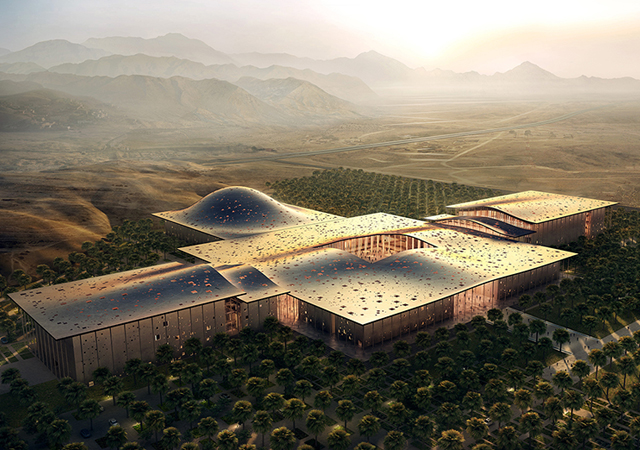



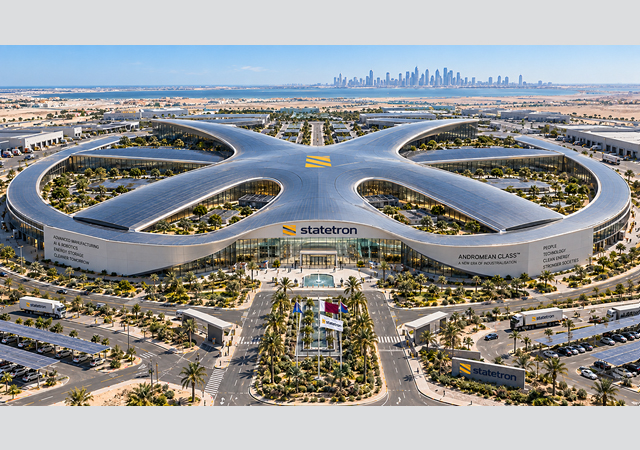
Swedish industrial technology firm Statetron has secured land at Qatar’s Umm Al Houl Free Zone for its proposed 10-hectare Andromean Class advanced manufacturing facility and is now developing the project’s industrial architecture, manufacturing configuration and technology integration strategy, CEO Lars Carlstrom tells Gulf Construction’s BINA GOVEAS.
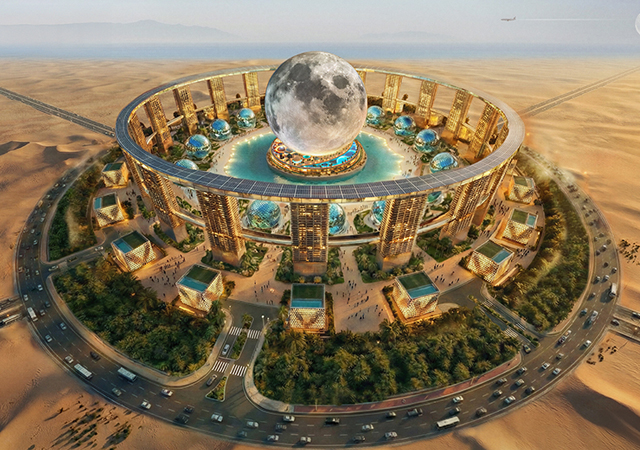
The facility, which will produce batteries, is planned as a phased industrial campus capable of expanding towards multi-gigawatt-scale manufacturing, with automated production, autonomous logistics, warehousing, testing and R&D and energy infrastructure integrated within the site. Rather than designing the facility around a fixed production capacity, Statetron says the modular approach will allow the manufacturing operation and supporting infrastructure to expand progressively.
For the construction industry, the concept presents a project in which the conventional boundaries between building, MEP infrastructure and production technology are increasingly blurred. Electrical systems, energy storage, automation, robotics, material handling, digital controls and manufacturing equipment will all form part of an integrated operating environment.
“The land for the proposed Qatar facility has now been secured, and we are progressing the development of the Andromean Class concept, including the industrial architecture, manufacturing configuration, technology integration and implementation strategy,” Carlstrom says.
“The initial development area is approximately 10 hectares. Importantly, the facility is being designed from the outset for progressive expansion towards multi-gigawatt-scale manufacturing rather than as a fixed-capacity plant.”
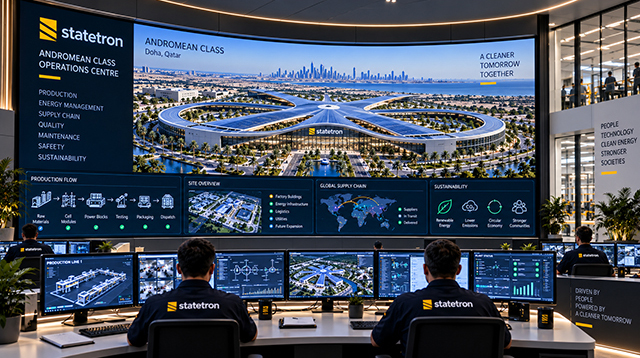
Electrical systems, energy storage, automation, robotics, material handling, digital controls and manufacturing equipment will all form part of an integrated operating environment.
According to Carlstrom, the site has been selected specifically for the development of the Statetron’s Andromean Class facility, with the location providing the scale and infrastructure required for a large advanced manufacturing operation. The free-zone plot is suitable for a substantial industrial development.
The set-up is designed as an integrated manufacturing campus, bringing together the main production facilities, automated logistics and warehousing, testing and R&D, energy infrastructure and supporting facilities. The manufacturing environment will be highly automated, with robotics, autonomous material movement, digital control systems and intelligent energy management integrated into the operation.
The development is also being planned so that production and supporting infrastructure can expand progressively. Qatar Free Zone’s planning documentation envisages the site being developed in phases, with dedicated electrical infrastructure supporting the later stages of the development.
“Umm Al Houl is, therefore, an important part of the concept. We see it not simply as the location of a battery manufacturing plant, but as the starting point for a new type of advanced industrial campus combining manufacturing, energy, technology and logistics,” Carlstrom explains.
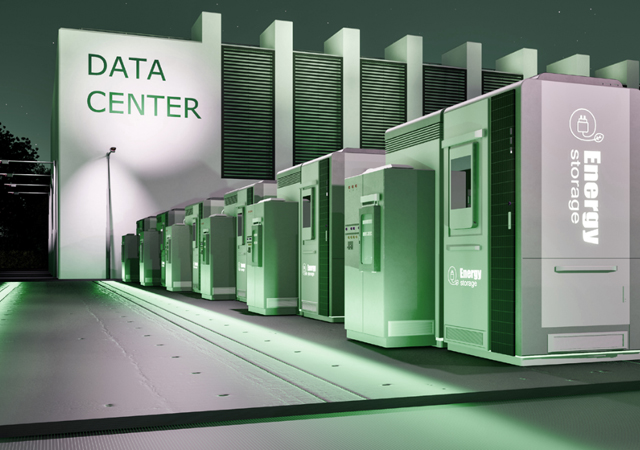
At the centre of the concept is Statetron’s 5 MW Power Block architecture for large-scale energy storage. The manufacturing environment is intended to incorporate highly automated production, robotic assembly, autonomous material handling and logistics, digital-twin technology, automated inspection and testing, full digital traceability, intelligent warehousing and advanced energy-management systems.
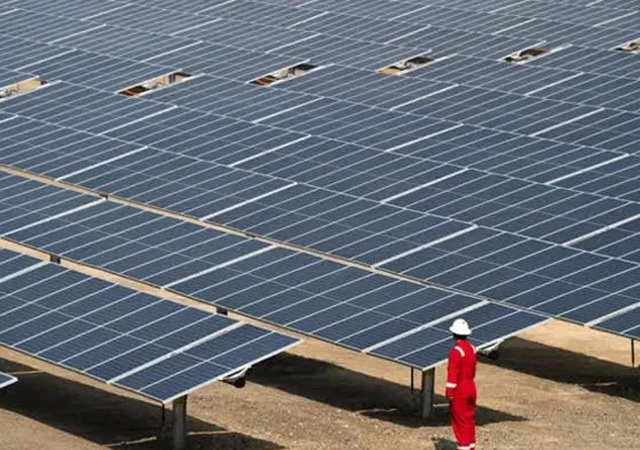
“One of the key principles behind Andromean Class is that the factory itself becomes an energy system. The campus is designed to integrate renewable generation, energy storage and intelligent power management, with the objective of operating the manufacturing environment with green energy,” he explains.
From a construction perspective, the project is being developed around a phased and modular methodology.
“This allows the manufacturing campus, production systems and supporting infrastructure to expand progressively while maintaining a common architectural, digital and energy management platform. This is important to our vision because the facility is not intended to be a conventional industrial building that is completed once and then remains static. It is designed as an expandable industrial platform,” Carlstrom points out.
Qatar is particularly attractive for this concept because of its combination of energy expertise, advanced infrastructure, logistics connectivity and ambitions in advanced manufacturing and emerging technologies, he says.
“We also see the country as having the potential to become an important regional platform for the manufacture and deployment of large-scale energy-storage systems across the Gulf, the wider Middle East, Africa and international markets,” Carlstrom remarks, adding: “We believe the significance of Andromean Class goes beyond battery manufacturing. Our objective is to demonstrate how the next generation of industrial facilities can be more autonomous, intelligent, energy-integrated and scalable.”