



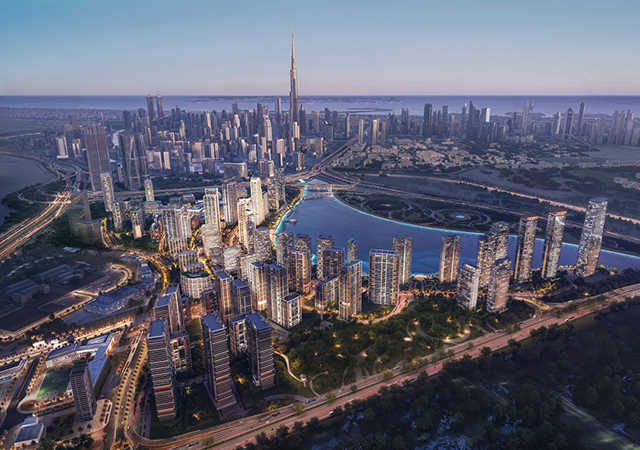
While many will assert that Dubai has now got it all in terms of the most advanced infrastructure, vast airports, well-designed urban spaces, breathtaking architectural towers, financial and commercial hubs, the city of superlatives continues to race ahead with ambitious plans and well-thought-out strategies to drive its ambitions further.
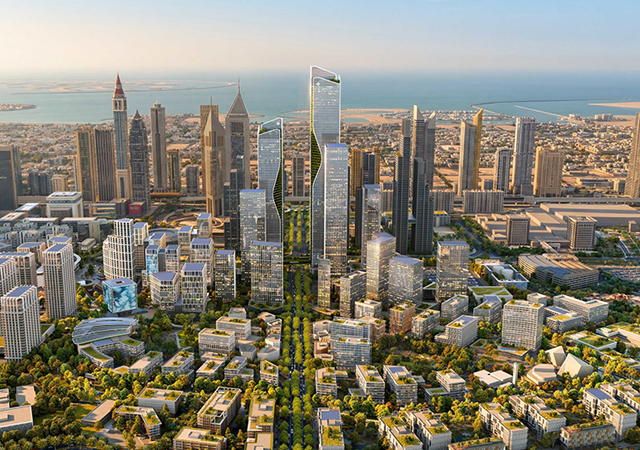
The emirate is currently in a massive phase of “future-proofing” itself, moving from a city built for cars and commerce to one focused on sustainability, well-being, and nature. The mother of all recent plans is Dubai 2040 Urban Master Plan (Phases One and Two, launched in 2021 and expanded recently), which chalks up strategies for everything implemented in the city. The Dubai Quality of Life Strategy 2033, approved in 2024, focuses on the “human” side of the city; the AED18.3-billion Public Parks and Greenery Strategy, unveiled in November last year, is a major initiative to develop over 800 projects, including 310 new parks and 120 open spaces, by 2040. Last month, the emirate unveiled its Dubai Blue and Green Infrastructure Roadmap 2030, an AED4 billion ($1.08 billion) roadmap that specifically bridges the gap between urban development and the natural environment (Page 100).
We are already seeing of a flurry of specific projects from these plans going live, aiming for increased connectivity and mobility: namely Dubai Loop (see Page 16), Etihad Rail Passenger Service, which will connect Dubai to the rest of the UAE via high-speed rail (Page 102); the Blue Line Metro, a new 30-km metro line that will connect the historic areas to the new tech hubs; and flying taxis with the launching of the first commercial vertiports (DXB, Palm Jumeirah, Marina, and Downtown) for air taxi services.
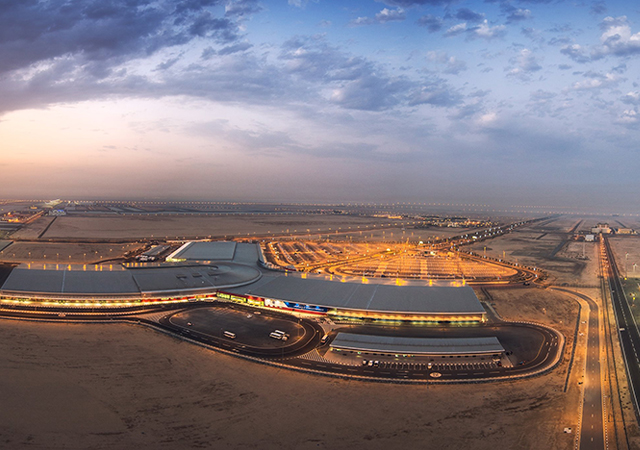
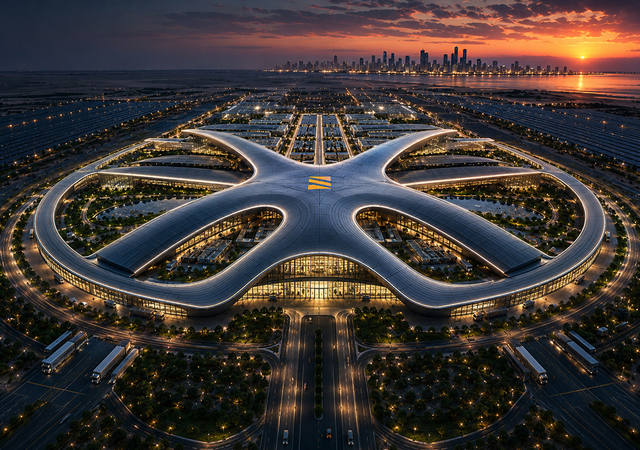
Al Maktoum International Airport ... planned to become the world’s largest airport.
While the Urban Master Plan is about space and liveability, the emirate remains focused on its economy with the Dubai Economic Agenda (D33), which aims to double the size of Dubai’s economy by 2033.
With billions of dirhams in committed investments across residential, infrastructure, and mixed-use developments, the construction landscape reflects Dubai’s determination to cement its position as a global hub for business, quality living, tourism and innovation.
The emirate’s construction and development market entered 2026 with renewed momentum, underpinned by a convergence of large-scale real estate partnerships, long-horizon infrastructure investment, and an increasingly integrated urban planning framework aligned with the Dubai 2040 Urban Master Plan.
From mega mixed-use districts and waterfront communities to deep-tunnel wastewater systems and citywide green infrastructure, the emirate continues to deploy capital at scale while refining governance and delivery mechanisms to support sustained growth.
Large-scale real estate partnerships and institutional expansions are reinforcing the emirate’s role as both a global investment destination and a diversified urban economy, while providing a deep and sustained pipeline for the construction sector.
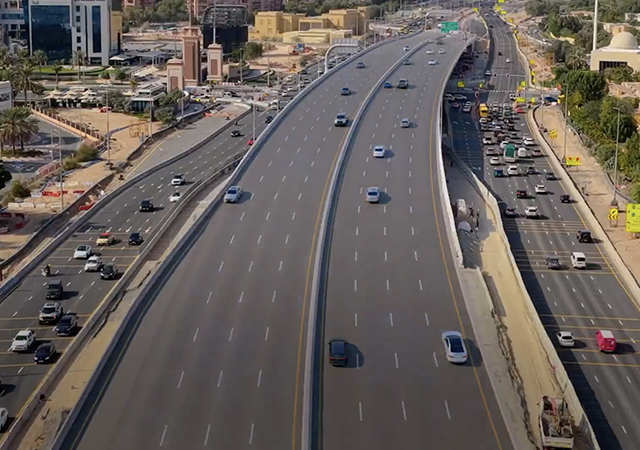
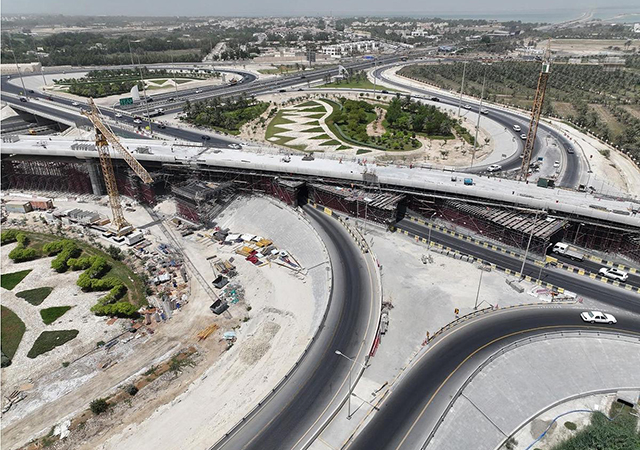
The RTA has recently opened a number of roads and tunnels to ease traffic congestion in Dubai.
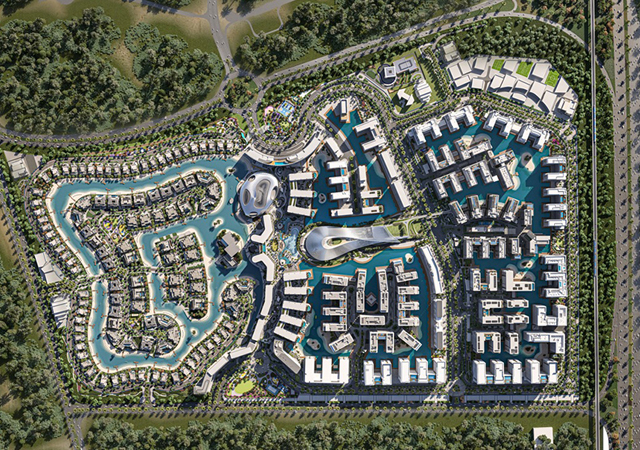
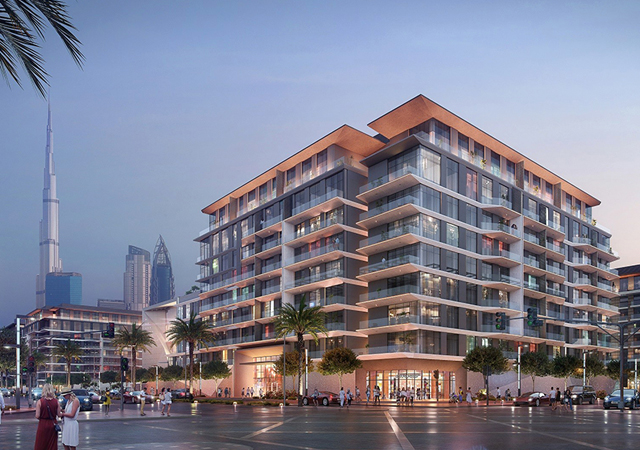
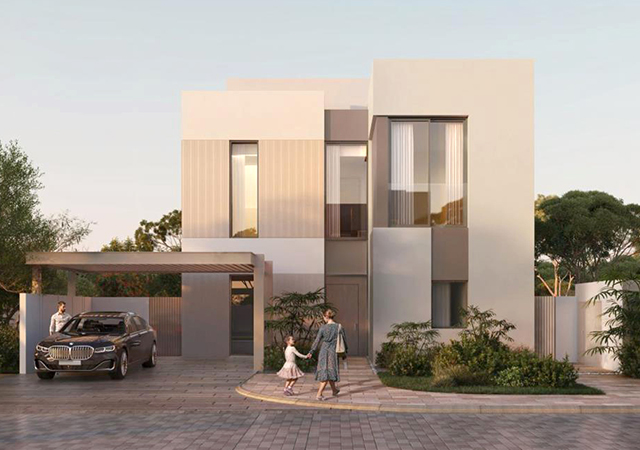
One of the most significant private-sector signals this year has been the expansion of the Aldar–Dubai Holding joint venture, first established in 2023. The addition of two major land plots to the partnership will deliver nearly 14,000 residential units with a combined gross development value exceeding AED38 billion, substantially strengthening Aldar’s development footprint in Dubai and accelerating Dubai Holding’s land monetisation strategy.
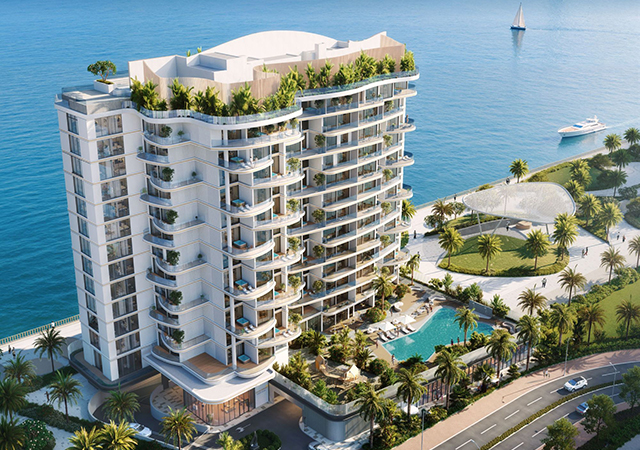
The first site, a 4-million-sq-m plot along Dubai’s eastern growth corridor opposite Nad Al Sheba, will be developed as a large, family-oriented community, with a targeted launch in 2026. The second, located on Palm Jebel Ali, will be positioned as an ultra-luxury waterfront destination with sales expected to commence in 2027. Together, the projects underline the continued strength of demand across both lifestyle-driven suburban housing and high-end coastal living (see Page 105).
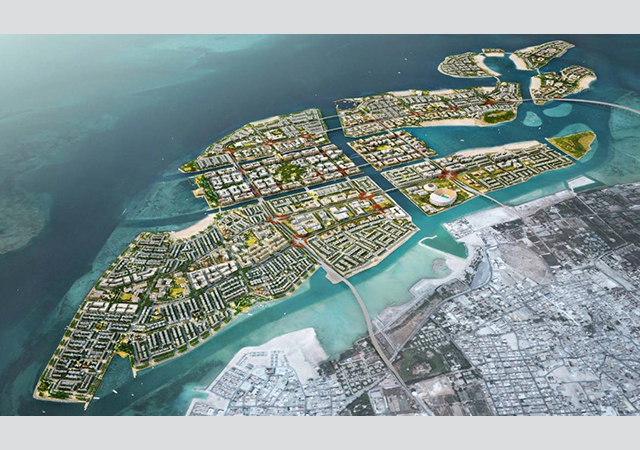
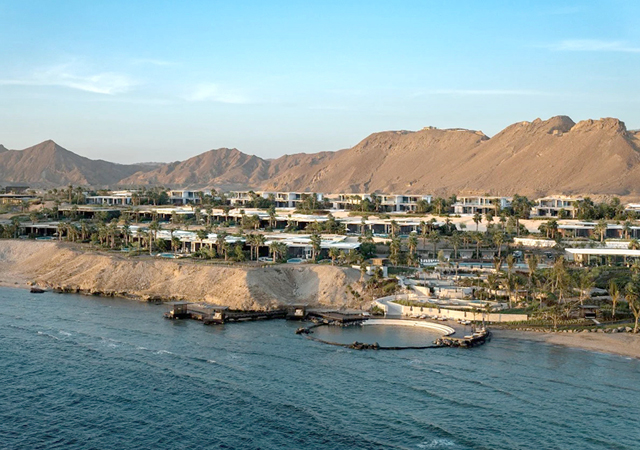
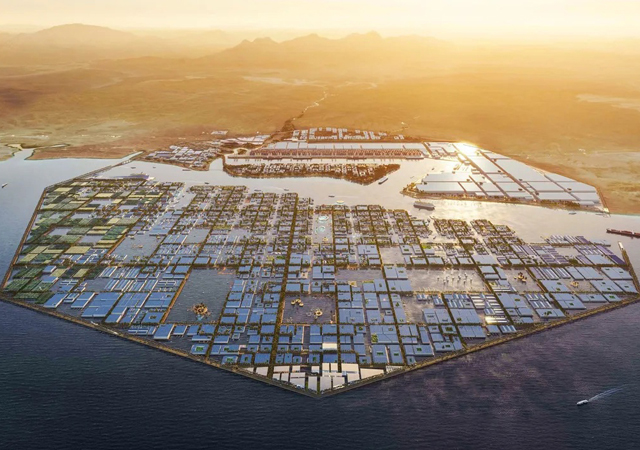
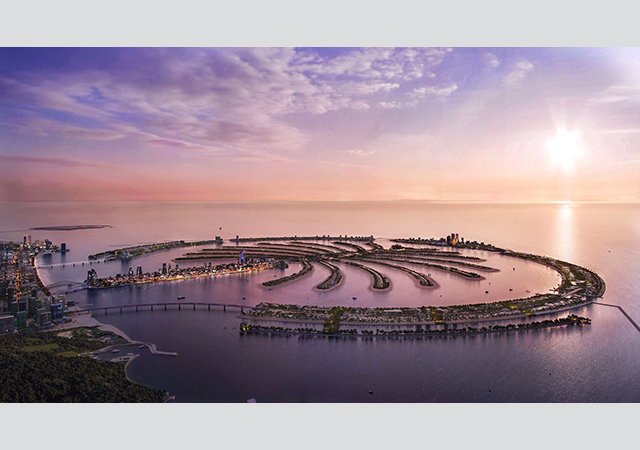
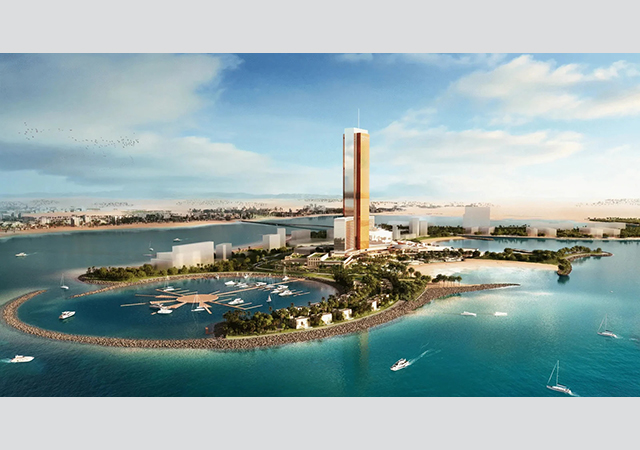
Palm Jebel Ali itself forms a central pillar of Dubai’s long-term spatial strategy. Envisaged as a new global benchmark for waterfront development, with more than 90 km of beachfront, it is set to anchor a major growth corridor in the Jebel Ali area and rebalance development momentum towards the south of the emirate.
While the Aldar-Dubai Holding partnership highlights the strength of Dubai’s residential and mixed-use pipeline, the most far-reaching development from a structural and economic perspective is the launch of the DIFC Zabeel District. With an estimated gross development value exceeding AED100 billion, the project represents the largest demand-led expansion of a financial centre in the region and marks a decisive step in scaling Dubai’s role as a global hub for finance, innovation and advanced services.
Spread across a 7.1-million-sq-ft site with a total built-up area of 17.7 million sq ft, DIFC Zabeel District will enable DIFC to accommodate more than 42,000 companies and a workforce exceeding 125,000 (see Page 30).
Innovation-led urban development is also being advanced through the expansion of Dubai Silicon Oasis, where investments totalling AED12.8 billion have been announced across two major projects. The District IO development, backed by AED11 billion in investment, is designed to strengthen Dubai’s research, development and innovation ecosystem by providing advanced infrastructure for future technologies. Complementing this is Block 14, a transit-oriented development located adjacent to the future Dubai Metro Blue Line station, with completion targeted for 2029. Together, these projects reinforce the role of TOD, knowledge economies and mobility integration within Dubai’s growth model.
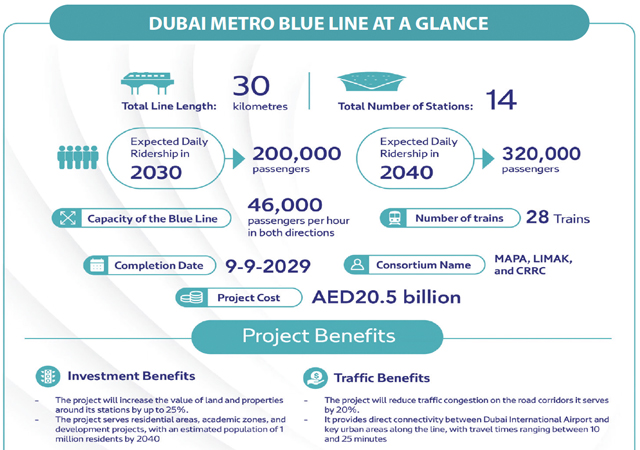
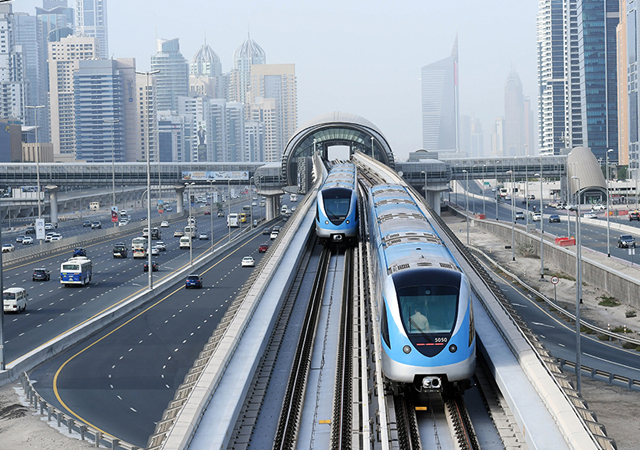
Dubai Metro Blue Line at a glance
Transport infrastructure
Dubai’s current real estate expansion is being enabled by an infrastructure strategy that prioritises integration, capacity and long-term resilience. Rather than responding reactively to development demand, the emirate is deploying transport, utilities and environmental infrastructure as proactive tools to shape urban form, unlock land value and support sustained population and economic growth under the Dubai 2040 Urban Master Plan.
Mass transit investment sits at the core of this strategy. The Roads and Transport Authority (RTA) is advancing a multi-layered rail programme designed to connect emerging districts, facilitate existing urban centres and anchor new development corridors. Bids have been invited for the design of a 3-km extension of the Route 2020 Metro line from Expo 2020 Station to the West Terminal of Al Maktoum International Airport, incorporating two new stations. The extension will directly link the metro network to what is planned to become the world’s largest airport and the centrepiece of Dubai’s future aviation and logistics ecosystem, reinforcing the southern growth axis encompassing Dubai South and Palm Jebel Ali.
The most transformative rail project under way is the AED56.5-billion Dubai Metro Blue Line. Extending 30 km and comprising 14 stations, the line will connect the Red and Green lines while serving key residential, educational and innovation hubs including Dubai Silicon Oasis, International City, Dubai Academic City and Dubai Creek Harbour. Designed to support districts expected to house up to one million residents by 2040, the Blue Line advances Dubai’s ‘20-minute city’ ambition by enabling direct journeys to Dubai International Airport in around 20 minutes. Construction is progressing rapidly, with major excavation and foundation works completed and operations scheduled to commence in September 2029.
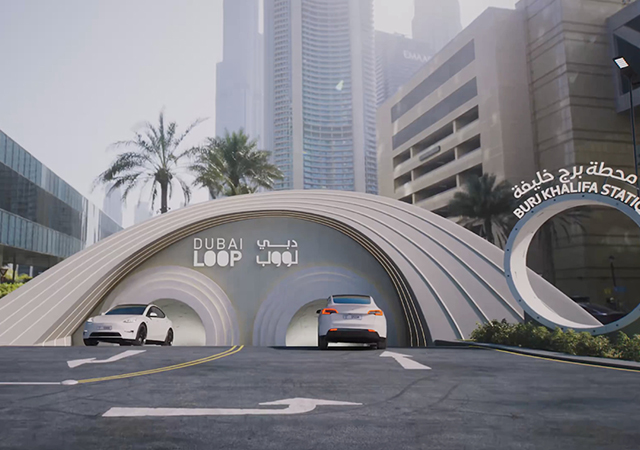
Complementing heavy rail, Dubai is also moving decisively into next-generation urban mobility. On the sidelines of the World Governments Summit 2026 last month, RTA signed a strategic partnership with US-based The Boring Company to implement Dubai Loop, a high-capacity passenger transport tunnel system aimed at easing congestion and improving first- and last-mile connectivity in dense commercial districts. The first phase will comprise a 6.4-km pilot route with four stations linking the DIFC and Dubai Mall.
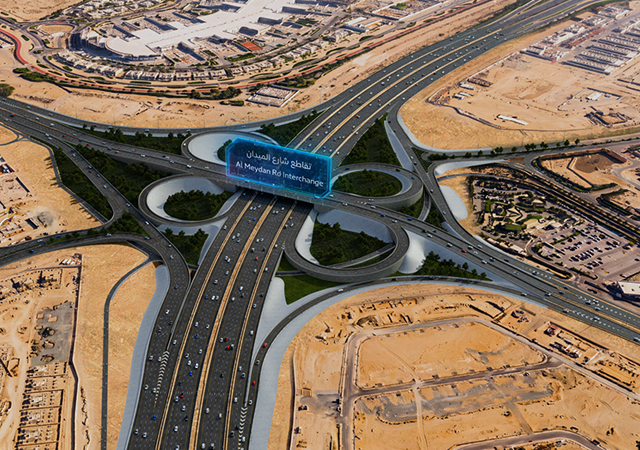
Meanwhile, the RTA recently opened a number of roads and tunnels to ease traffic congestion in Dubai. The opening of the 800-m-long Umm Suqeim tunnel as part of the wider Umm Suqeim-Al Qudra corridor upgrade exemplifies Dubai’s focus on east–west connectivity, relieving congestion and supporting rapidly growing residential districts with populations exceeding one million. Such projects are critical in enabling the spatial redistribution of growth envisaged under the Dubai 2040 Urban Master Plan.
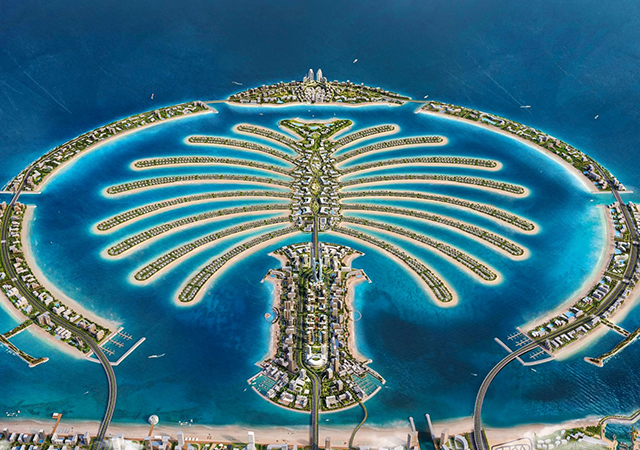
Palm Jebel Ali, with more than 90 km of beachfront, is set to anchor a major growth corridor in the area and rebalance development momentum towards the south of the emirate.
Utilities & Greening
Beneath the city, equally strategic infrastructure is being delivered through the Dubai Strategic Sewerage Tunnels (DSST) project, one of the largest wastewater infrastructure programmes in the region. Valued at approximately AED30 billion in capital expenditure and structured as a long-term public–private partnership, DSST will deliver 75 km of deep gravity tunnels, up to 90 m below ground, alongside 140 km of link sewers and major pumping stations. By transitioning from energy-intensive pumping systems to gravity-based flow, the project enhances sustainability, reduces operational costs and provides the wastewater capacity required to support long-term urban expansion across the emirate.
In the utilities sphere, Dubai Electricity and Water Authority (DEWA) is spearheading several landmark infrastructure projects as it accelerates Dubai’s transition to clean, resilient energy and water systems.
At the centre of its pipeline is the Mohammed bin Rashid Al Maktoum Solar Park, the world’s largest single-site solar facility. DEWA added 1,000 MW of clean energy capacity in 2025 as part of the 1,800 MW sixth phase, with the remaining 800 MW scheduled to come online by Q4 2026. The sixth phase carries investments of up to AED5.5 billion, and once complete will bring total solar park capacity to 4,660 MW. Looking further ahead, DEWA has tendered the seventh phase which will have a capacity of 2,000 MW and include a 1,400 MW battery storage system with a six-hour capacity, providing a total storage capacity of 8,400 megawatt-hours. This makes it one of the world’s largest solar-plus-storage projects.
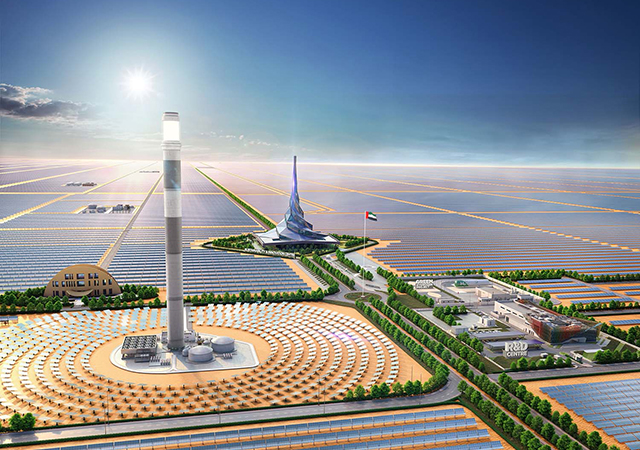
Mohammed bin Rashid Al Maktoum Solar Park’s total capacity has reached 3,860 MW.
The solar park’s total production capacity has reached 3,860 MW, utilising the latest photovoltaic and concentrated solar power technologies. The share of clean energy in Dubai’s energy mix is set to increase to 36 per cent by 2030, compared to 25 per cent in the original plan, reducing more than 8.5 million tonnes of carbon emissions annually.
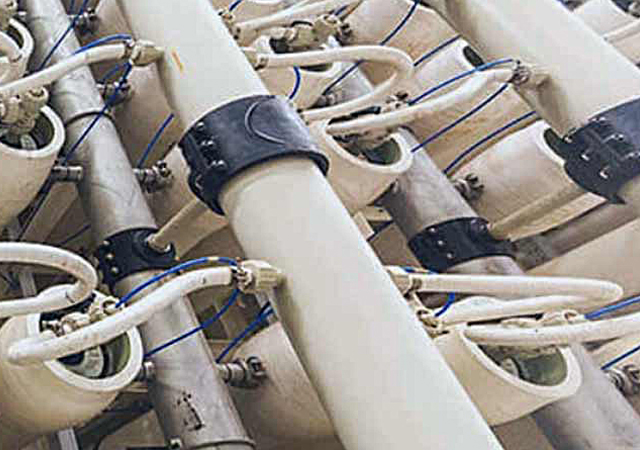
On the water front, DEWA is advancing the AED3.38-billion Hassyan desalination project, one of the world’s largest seawater reverse-osmosis plants and its first independent water producer scheme. With Phase One nearing completion and full delivery scheduled for the first quarter of 2027, the project reflects a strategic shift towards energy-efficient desalination and private-sector participation. By 2030, reverse-osmosis technology is set to add 240 million imperial gallons per day to Dubai’s water capacity, ensuring supply resilience as residential and commercial developments continue to scale.
In Hatta, the GCC’s first pumped-storage hydroelectric power station is operational, capable of supplying the grid at full capacity within 90 seconds.
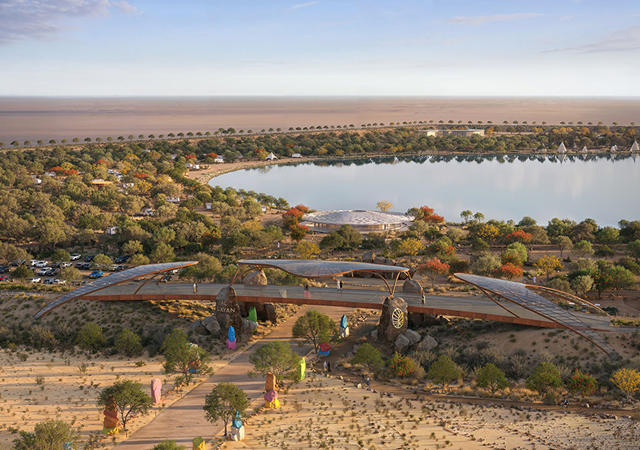
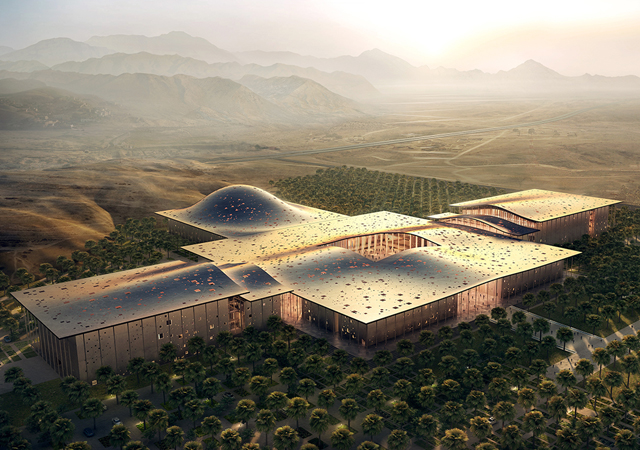
Al Layan Oasis development project, a new environmental and recreational destination in the emirate.
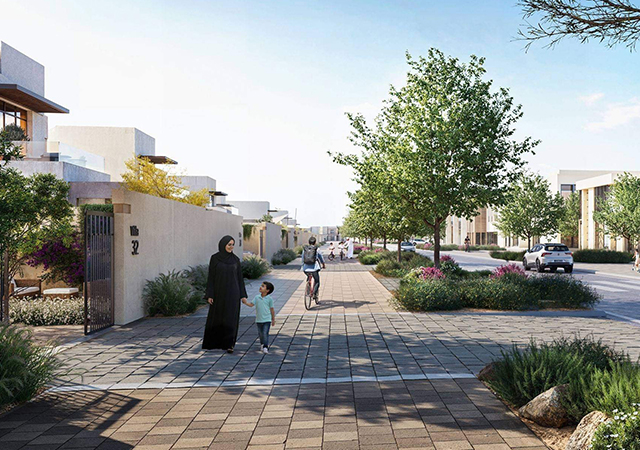
Complementing utilities and transport investment is a major push into green and blue infrastructure, which is being deployed in parallel to enhance liveability and long-term asset value. The AED18.3-billion Public Parks and Greenery Strategy and the AED4-billion Blue and Green Spaces Roadmap 2030 position parks, beaches, waterfronts and landscaped corridors as core urban infrastructure rather than ancillary amenities.
The Public Parks and Greenery Strategy will deliver more than 800 projects including new parks, open spaces, landscaped corridors and technological initiatives. By 2040, the strategy aims to triple tree cover, provide 187 sq km of green areas, and ensure the majority of residents live within walking or cycling distance of a park, using 100 per cent recycled water for irrigation.
The Blue and Green Spaces Roadmap 2030, unveiled at the World Governments Summit in Dubai last month, integrates beaches, parks, waterfronts and biodiversity corridors into Dubai’s urban infrastructure, positioning natural assets as functional components of the city rather than passive amenities. More than 15 major coastal projects will revitalise beaches and introduce new destinations annually, while public beach capacity, facilities and active transport networks along the coastline will be expanded significantly.