


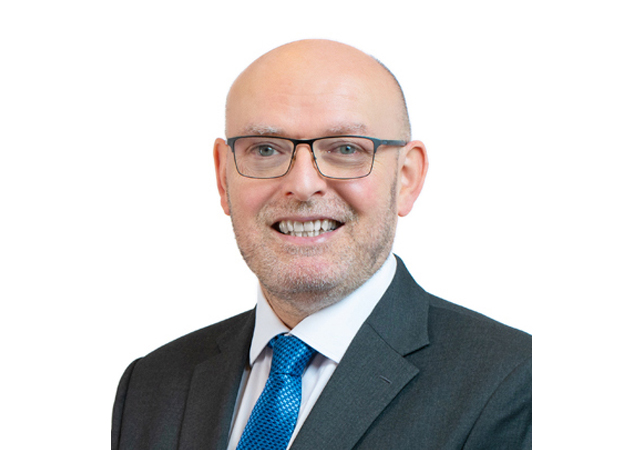



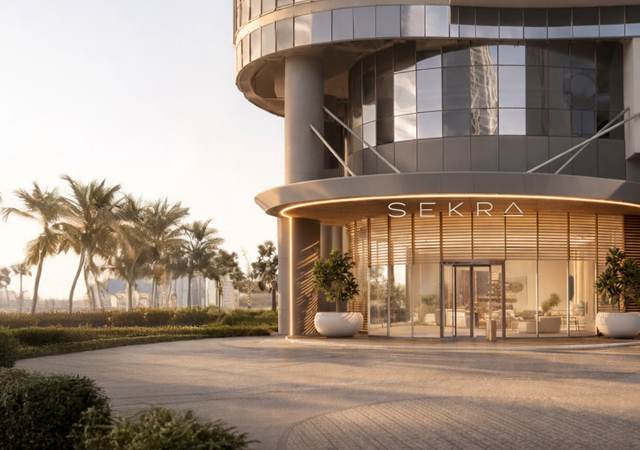
The GCC’s rapidly evolving residential sector is poised for a significant shift with the introduction of Sekra, a lifestyle-driven rental brand founded by Oliver Ripley. Best known for co-founding Habitas, Ripley is now applying his experience in experiential hospitality to urban living, choosing the Gulf as a launchpad for what he describes as a category-defining residential platform.
Launched in the UAE in February 2026, the model aims to redefine rental living by prioritising human connection, wellbeing and experiential design over simple square footage. At a time when close to 80 per cent of adults under 40 rent, Sekra’s proposition is to turn residential assets into branded, lifestyle-led communities – delivering premium rental performance and deeper tenant loyalty for owners while giving residents a genuine sense of belonging.
Launched with Uber Founder Travis Kalanick as founding investor and board member, Sekra has raised a $12.5 million seed round co-led by Brendan Wallace of Fifth Wall and Joe Lonsdale of 8VC, alongside a global cohort of strategic backers including Jamie Reuben of Reuben Brothers, Mitchell Moinian of The Moinian Group, serial tech entrepreneur Divyank Turakhia, the family office of Prince Khalid Bin Talal Alsaud, Harvey Spevak of Equinox, and Patrick Finnegan of Second Sight Ventures, amongst others.
In an exclusive interview with Gulf Construction’s BINA GOVEAS, Ripley explains why the GCC represents a compelling starting point. Across cities such as Dubai, Riyadh and Doha, rapid urbanisation has produced a predominantly expatriate and highly mobile population, many of whom are young professionals living away from extended family networks, arriving without established social connections. Traditional rental developments, designed primarily around efficiency and maximising square footage, have not kept pace with these social shifts.
“People here increasingly want homes that go beyond space and location to create genuine belonging and long-term engagement,” says Ripley. “Knowing many residents are mobile and may feel isolated, Sekra’s design brief and operations are shaped around building sustainability and connection. We balance privacy with connection by programming shared spaces and curated experiences that help people integrate, reduce isolation and feel part of something meaningful.”

Ripley: “With Sekra, we’re building environments that foster meaningful friendships, wellbeing, self-development, and happiness in the places we call home.”
Operationally driven community-building
Sekra’s proposition is not built around amenities alone. Ripley is clear that one of the execution risks is allowing the concept to be reduced to a checklist of lifestyle features. “One risk is the concept becoming synonymous with amenities instead of meaningful human connection,” he tells Gulf Construction. “We mitigate this by grounding the model in clear values and strong operational leadership that keeps community at the centre.”
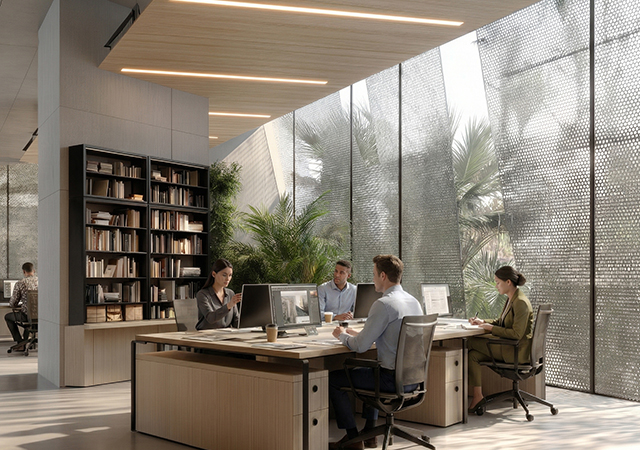
The focus is on curated programming, shared experiences and hospitality-inspired service that extend beyond the move-in moment. The brand is building an ecosystem of on-site experts – including building therapists, nutritionists and longevity practitioners – to anchor its cultural and wellness programming. Wellbeing is embedded through thoughtful light, air and movement, with each building optimised for sleep and longevity and supported by a consistent rhythm of experiences across the portfolio.
Another risk is overlooking local cultural nuances. To mitigate this, Sekra collaborates with regional experts and specialised teams to ensure every project resonates authentically within its specific market – delivering the brand’s global mission with cultural sensitivity and regional relevance.
Technology as an “invisible backbone”
Technology plays a central role in delivering Sekra’s vision, particularly in a region that has embraced smart infrastructure at scale. But Ripley emphasises that the approach goes beyond surface-level automation.
“At Sekra, technology is not just automation. It connects residents, operators and spaces in a seamless, human way,” he says. Circadian and mood lighting, adaptive climate controls and unified building-wide systems are designed into projects from the earliest planning stages. For architects, engineers and contractors, this requires early coordination of MEP systems, digital infrastructure and spatial planning to ensure that shared spaces genuinely foster interaction while maintaining privacy.
“Community and wellbeing must be built into the DNA of the project from the earliest stage. These decisions determine not just how a building is delivered but how it feels and functions over time,” Ripley explains.
From an owner’s perspective, Sekra seeks to shift the emphasis from maximising lettable area to maximising living experience. When residents feel engaged and emotionally connected, they stay longer – translating into premium rental performance, higher tenant retention and improved long-term asset optimisation. “By running buildings with long-term operations in mind and using integrated technology to improve efficiency and resident satisfaction, Sekra helps maintain strong performance and optimises the value of the asset over time,” says Ripley.
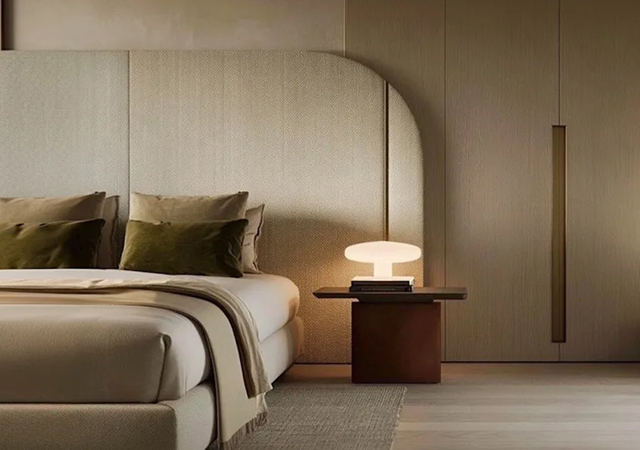
Each building is optimised for sleep and longevity and supported by a consistent rhythm of experiences.
Strategic growth and local nuance
To scale across the GCC, Sekra is pursuing a flexible development strategy that includes ground-up construction, local partnerships and the conversion of existing residential stock.
“We will pursue all three pathways: creating new buildings, partnering with local developers and converting existing assets,” Ripley states. While new developments offer full design control, partnerships accelerate market entry and provide regional insight, and conversions unlock opportunities within existing stock. Across all pathways, maintaining the integrity of the Sekra experience is paramount. The platform is designed to adapt to local planning frameworks, construction typologies and cultural contexts, ensuring that while the philosophy remains consistent, its expression resonates with each market’s norms and expectations.
A new era for rental living
Ripley’s confidence in the model is underpinned by his track record with Habitas, which he launched and scaled to more than 12 hotels across four continents in five years, securing a pipeline of over 20 additional properties and earning recognition among the 20 Most Creative Companies in the World in 2024. Sekra now seeks to transpose those disciplines – experience-led design, operational efficiency and strong brand-building – into the residential sector, creating what it describes as “a global network of homes where life is not just sustained, but elevated every day.”
Even its name is rooted in symbolism: drawn from Egyptian mythology, it combines Sekhmet, the goddess of healing and protection, with Ra, the sun god and creator, to represent balance, protection, wellbeing and the union of masculine and feminine power.
“Rental living is entering a new era, and Sekra is what the future looks like,” comments Wallace, CEO and Chief Investment Officer of Fifth Wall. “Sekra is building something category-defining: a global brand rooted in hospitality, design, and real community.”
For the GCC, where residential supply is abundant but differentiation is increasingly essential, Sekra’s arrival introduces a hospitality-led model that reframes rental living as an experience rather than a transaction. As Ripley sums it up: “With Sekra, we’re building environments that foster meaningful friendships, wellbeing, self-development, and happiness in the places we call home.”