


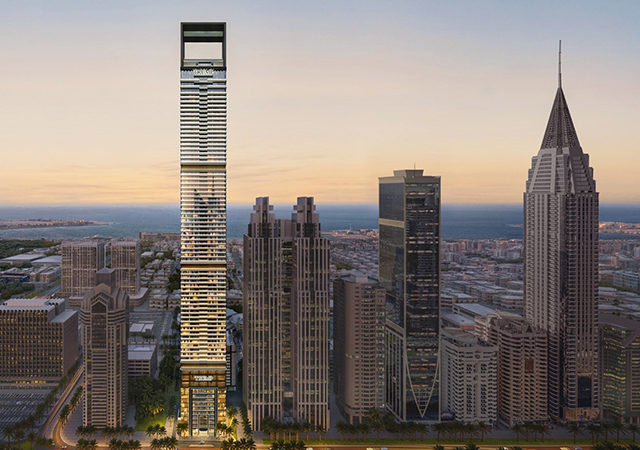


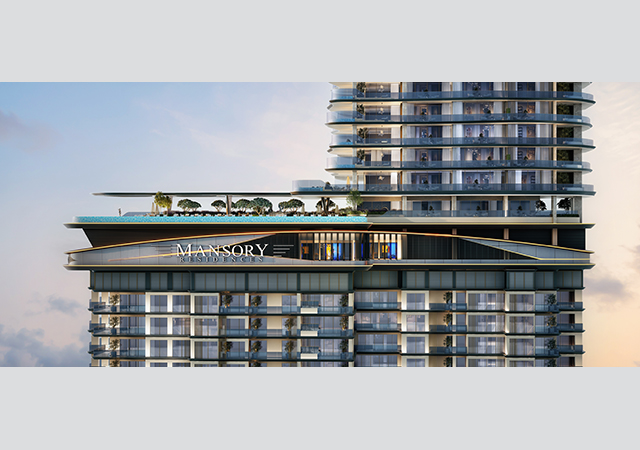
Few residential towers attempt to translate the language of high-performance automotive engineering into built form. Mansory Residences, a 60-storey development in Mohammed Bin Rashid City (MBR City), does precisely that – reinterpreting sculptural bodywork, carbon-inspired detailing and precision craftsmanship at a 142,800-sq-m vertical scale.
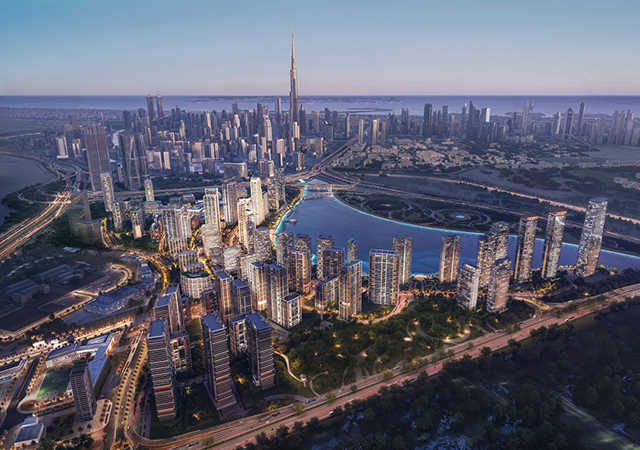
The AED1.8 billion ($490 million) development rising within the Meydan Horizon masterplan, spearheaded by a Dubai-based premium real estate development company Amaal and powered by Ayana Holding’s integrated development platform, represents a fusion of high-performance automotive design and bespoke architecture.
A brand-led architectural vision
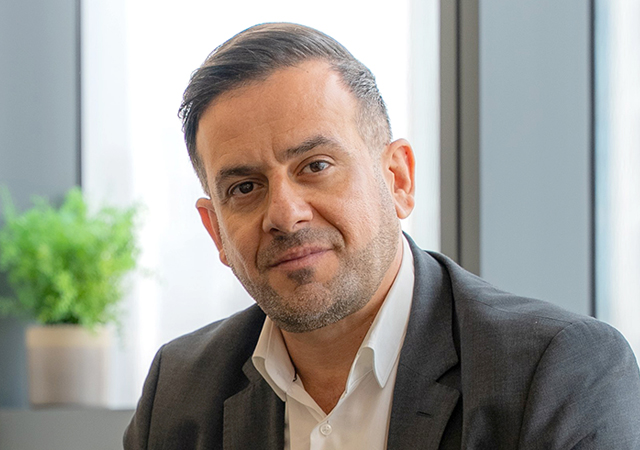
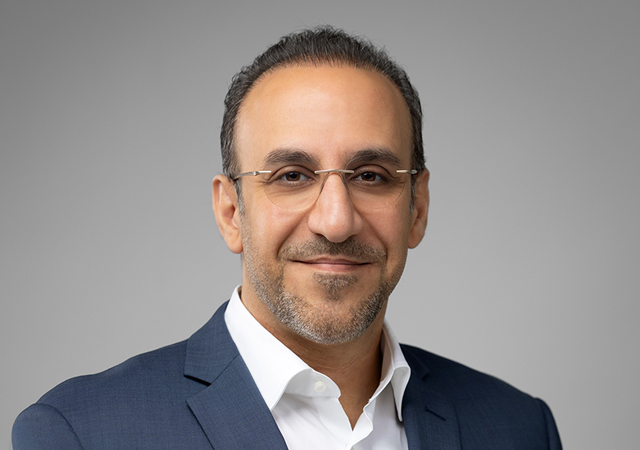
Chairman Abdulla Lahej describes this initiative as both strategic and authentic.
“The core vision behind Mansory Residences was to redefine ultra-luxury residential living by fusing automotive design excellence with bespoke architecture,” Lahej tells Gulf Construction’s Bina Goveas in an exclusive interview.
“At Amaal, we are committed to delivering developments that push the boundaries of design and luxury while creating world-class destinations that reflect Dubai’s position as a global hub for innovation and excellence,” he adds.
The choice of partner was central to that ambition.
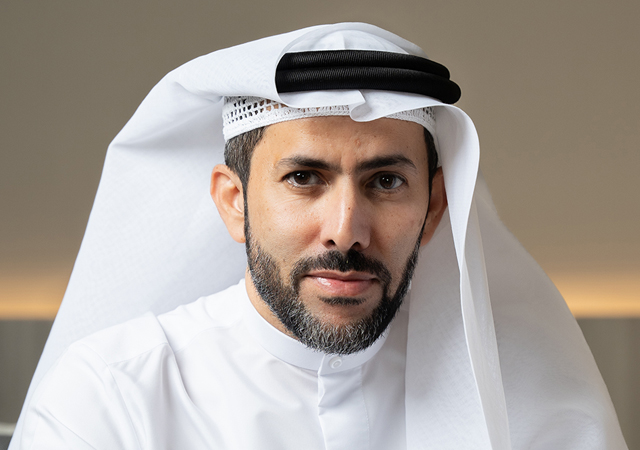
Lahej ... committed to delivering developments that push the boundaries of design and luxury.
“Mansory was a natural partner because its spirit of ambition, innovation, and uncompromising craftsmanship closely mirrors our own. Building on a legacy of transforming elite supercars into bold expressions of design and performance, Mansory brings a distinctive design language and level of precision that translates seamlessly into high-end residential living,” Lahej remarks.
The tower will comprise one- to four-bedroom residences and eight full-floor penthouses, positioned as a resort-grade residential destination within minutes of DIFC, Dubai Design District and Dubai International Airport. Beyond its scale, however, the architectural narrative is what sets it apart.
The amenity offering spans three full levels, combining infinity pools, spa areas and high-performance fitness facilities with curated lounges and private entertainment zones designed around a collectors’ club ethos.
“What truly differentiates the project is the integration of automotive culture into everyday living,” Lahej notes. “Showroom-style parking, a car elevator, and automotive-inspired environments elevate the car into a central element of the residential experience.”
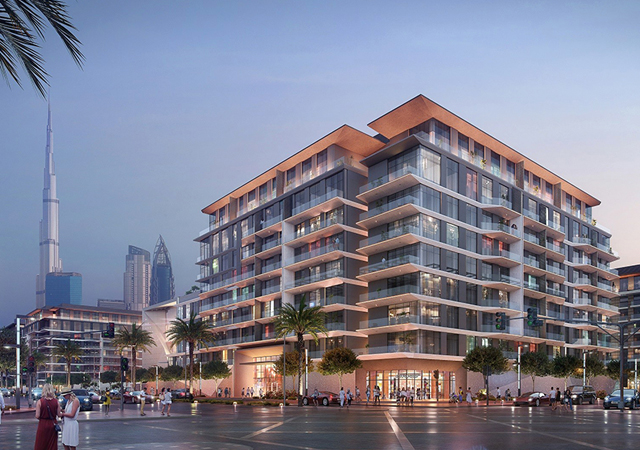
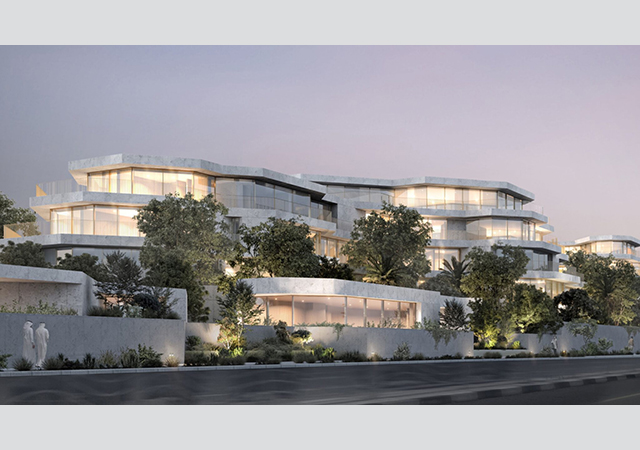
Defined as “a new pinnacle of architectural presence”, the tower embodies bold form and technical mastery. Aerodynamic contours, sharp lines and carbon-inspired textures channel hypercar bodywork into vertical architecture. Bespoke palettes of brushed graphite metal, walnut veneer, champagne bronze and carbon-like accents extend the automotive vocabulary from façade to interior detailing.
“The interiors merge high-performance aesthetics with elevated residential comfort,” Lahej explains. “Precision detailing and sculptural forms evoke the fluid lines of luxury vehicles, while layered lighting and bespoke materials – including leather-wrapped furnishings, brushed metals, and custom wood finishes – create a refined sensory experience.”
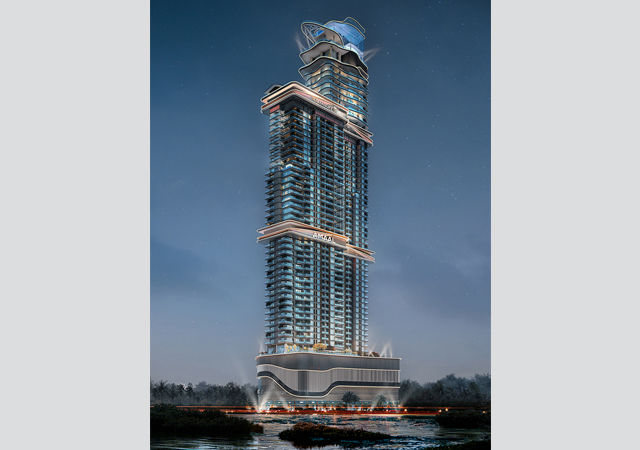
Mansory Residences ... aerodynamic contours, sharp lines and carbon-inspired textures channel hypercar bodywork into vertical architecture.
Engineering a “supercar” tower
Delivering an automotive aesthetic at 60-storey scale presents both structural and material complexity.
The façade is articulated through dynamic contours and expansive panoramic glazing.
Elaborating on the façade execution, Lahej says: “Mansory Residences embodies the bold DNA of Mansory supercars through performance-inspired materials and a sculpted, aerodynamic architectural form. The façade is defined by sharp lines, dynamic contours, and expansive panoramic glazing, complemented by perforated bronze metal panels inspired by iconic Mansory grilles and exhaust detailing.”
“Angular podium and crown elements reinforce an unapologetically conspicuous and aggressive character, while the use of natural stone introduces a refined layer of luxury. Together, these materials express speed, precision, and craftsmanship, shaping a powerful residential identity where automotive performance meets architectural expression.”
Behind the visual drama lies significant technical coordination. Ayana Holding’s vertically integrated model – incorporating VX Studio for architecture and Opaal Interiors for interior delivery – provides what Lahej calls “a significant technical advantage”.
“Rather than operating within a fragmented consultant structure, the Ayana Holding model ensures that architectural intent, engineering requirements, interior detailing, and brand expression evolve together from day one,” he says.
The model reduces redesign cycles and enhances coordination through BIM and advanced digital modelling, enabling structural, MEP and interior systems to be resolved in parallel rather than sequentially – a key factor in a highly bespoke development of this nature.
.jpg)
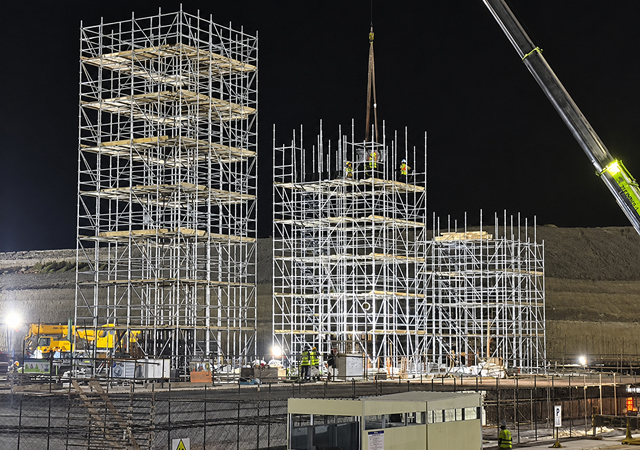
Construction work is now under way on site.
Automotive culture embedded in infrastructure
Perhaps the most technically distinctive element is the integration of automotive culture into the residential fabric.
Two podium levels of fully air-conditioned parking cater to high-value vehicles, supported by a climate-controlled automotive lounge and VIP waiting areas. Showroom-style parking environments and a car elevator enhance the vehicle into a central architectural rather than a back-of-house feature.
This requires enhanced ventilation strategies, temperature control and fire safety considerations beyond standard residential parking basements, particularly given the presence of performance vehicles.
Challenges
One of the primary construction challenges lies in adapting automotive-inspired materials for long-term residential use.
“Materials such as marble, brushed metals, wood veneers, and upholstered detailing require close coordination with specialist suppliers to ensure durability, safety, and compliance with building regulations,” Lahej explains.
This level of customisation demands strict fabrication standards and quality control protocols to ensure that finishes meet both performance criteria and brand expectations, particularly when dealing with bespoke metalwork and precision detailing typically associated with limited-edition vehicles rather than residential towers.
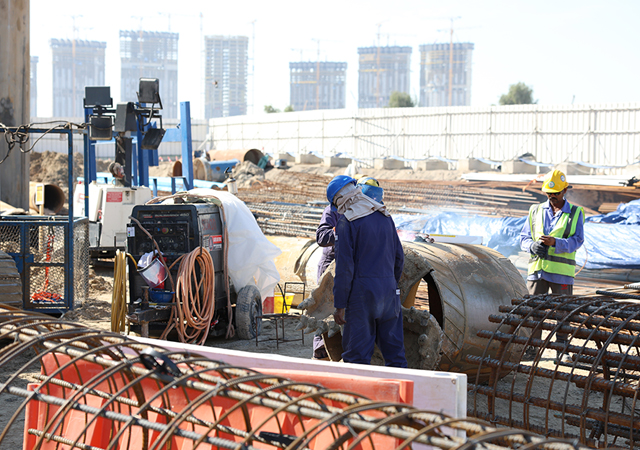
Innovative construction techniques aimed at shortening slab cycles will be deployed to enhance programme efficiency.
Sustainability
Despite its high-octane brand positioning, the project integrates sustainability strategies aligned with Dubai’s environmental objectives.
The development incorporates energy-efficient systems, eco-conscious material sourcing, water-efficient and waste-reduction strategies, and smart-home automation that optimises energy use across lighting, HVAC and security systems, Lahej says.
Environmental mitigation measures are particularly relevant given the project’s proximity to a wildlife sanctuary. Dust control, reduced site traffic planning and carefully specified glazing – designed to maximise natural daylight while limiting heat gain – form part of the construction strategy.
Innovative construction techniques aimed at shortening slab cycles are also being deployed to enhance programme efficiency without compromising quality – critical in a 60-storey structure with complex façade geometry.
Digital and smart integration
The tower embeds advanced smart-home automation systems allowing residents to control lighting, climate, security and parking access via integrated digital platforms. Beyond convenience, these systems support energy optimisation and operational efficiency, reinforcing the project’s high-performance narrative.
Project status
The project has secured full authority approvals, permits and NOCs. Tendering has been completed and the main contractor has been appointed, positioning the development firmly in its delivery phase, says Lahej.
Commercially, Mansory Residences has already made a measurable impact. According to Lahej, the project alone contributed nearly AED1 billion to Dubai’s AED78.6 billion branded residences sales market in 2025, reflecting strong demand for ultra-luxury, design-led properties. Launched within Meydan Horizon, the development capitalised on record transaction volumes across 51,692 homes, reinforcing Dubai’s position as a global hub for branded residential assets.