




























Upper-income Egyptians scored highest in a consumer confidence survey of seven developing countries in Africa and Asia, beating out their counterparts in Saudi Arabia and Kuwait, MasterCard said.
'Egypt is leading the way in consumer confidence,' Denzil Lawson, general manager of MasterCard Worldwide said as he highlighted the results of a survey which covered 3,215 people in Egypt, India, Kuwait, Lebanon, Saudi Arabia, South Africa and the UAE.
The Egyptian part covered 600 consumers, all with access to banks. Only about 10 per cent of Egyptians have bank accounts.
The six-monthly MasterIndex survey, which investigates consumer attitudes on issues ranging from employment to quality of life, showed confidence in Egypt had climbed steadily since 2004, when it ranked lowest of the same seven countries.
In the first half of 2007, Egypt scored 94.3 per cent on the index, followed by Saudi Arabia with 92.0. Lebanon, which has seen conflict and political turmoil, was bottom at 38.6.
It said 69.8 per cent of the Egyptians surveyed were optimistic about the economy, the highest for any of the five Middle East countries for which it gave detailed figures.
Egyptians were also more optimistic than any other group on all the other categories surveyed -- employment, regular income, the stock market and quality of life.
Overall consumer optimism in the region was high, reflecting an increasingly buoyant and interlinked economy. The combined capitalisation of regional stock markets rose to around $1 trillion in 2006, from $200 billion in 2002.
Nasser H Saidi, chief economist of the Dubai International Financial Centre (DIFC), said the high levels of confidence reflected fiscally conservative reforms.
He said that in the Gulf, where in the past petrodollars were largely invested abroad or misspent in bureaucratic projects, more than 40 per cent of oil revenue is now being reinvested in the region, particularly in infrastructure development and the private sector.
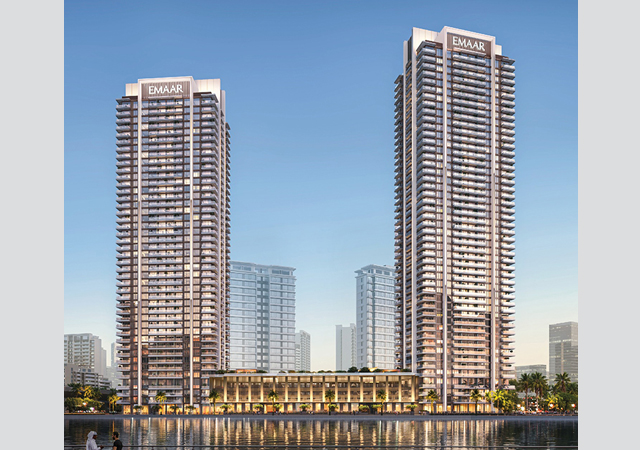
Several of the region's companies, such as Emaar, Etisalat and Orascom are becoming multinationals, he added.
Lawson said much of Egypt's growth and consumer optimism reflected a steady rise in worldwide GDP in recent years as well as 'spill-over effects' from the Gulf.
But Saidi said: 'Low income countries are now growing the fastest.' With economic reforms, Egypt has started to see a boom in foreign investment, real estate and the stock market.
'Receipts from privatisation were at a historical high in 2006,' he said, adding that Egypt has also managed to cut its relatively high inflation rate over the past year. 'Consumers are feeling very positive about the future,' he added.Reuters