

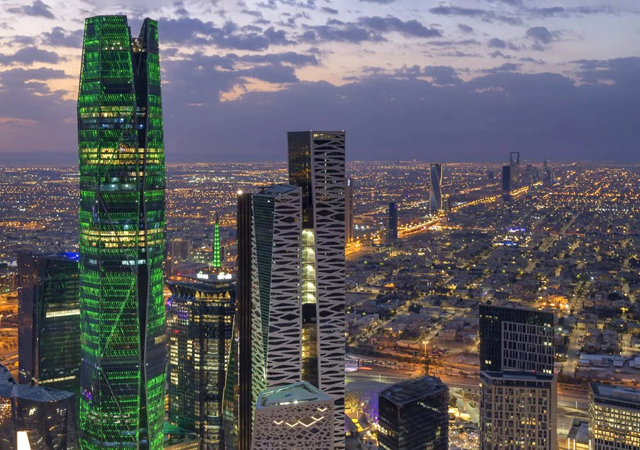
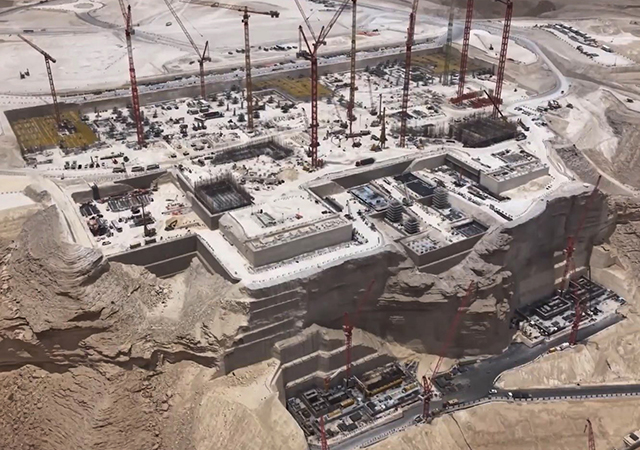

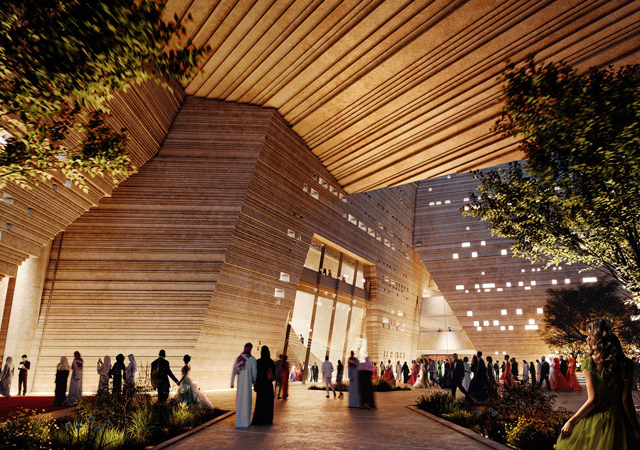







Kuwait’s construction sector faces a volatile outlook in 2026 as the Gulf conflict drives up costs and supply‑chain risks, but state‑backed spending tied to Vision 2035 is expected to keep core infrastructure activity on track. Over the past year, there has been perceptible dynamism in the country’s construction and infrastructure landscape, driven by legislative reform, multi-billion-dollar energy investments and the development of several mega-cities.
Public spending continues to anchor activity, led by large-scale housing and transport initiatives, while private investment is expanding in logistics, mixed-use, and residential developments. Public-private partnerships (PPPs) are gaining traction as the government accelerates collaboration with private developers to finance and operate infrastructure and public housing.
Last year, the nation witnessed robust project awards and renewed capital spending after years of political gridlock and pandemic‑era disruption. The construction sector was expected to have recorded an annual growth of 3.9 per cent in real terms in 2025, supported by government investment in renewable energy, and transport infrastructure sectors, according to a report by Research and Markets.
In September 2025, Kuwait’s government allocated KD1.3 billion ($4.2 billion) for 141 projects, as part of its capital spending during the fiscal year (FY) 2025-26. This allocation was for 124 projects that are under construction, 38 related projects, and 17 new projects. Priority projects, such as the Mubarak Al-Kabeer Port, South Sabah Al-Ahmad Residential Complex, Al-Sabah Hospital, and Subiya Power Plant Phase Four, underscore Kuwait’s commitment to modern infrastructure and private-sector partnership.
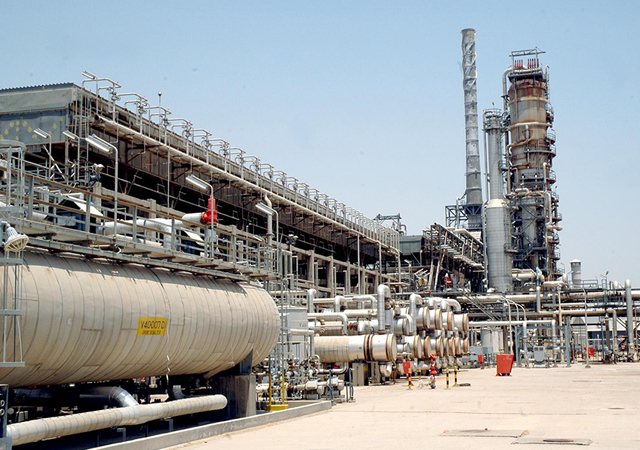
The hydrocarbons sector continues to provide the lion’s share of Kuwait’s revenue.
To further support its goals, in July 2025, the government announced a plan to create a state-backed investment company with capital of about KD50 billion ($163.1 billion) to fund major projects in areas like renewable energy, transport, smart cities, infrastructure, and tourism.
Prior to the start of the regional hostilities, the construction industry in Kuwait was expected to record an annual average growth rate of 4.9 per cent between 2026 to 2029, supported by investments in the oil and gas, and renewable energy sectors.
While the hydrocarbons sector continues to provide the lion’s share of state revenue – evidenced by Kuwait Oil Company’s (KOC) KD15.4 billion plan to boost production to over three million bpd – the construction sector has emerged as a vital engine for non-oil GDP. Although analysts anticipate moderate short-term growth as geopolitical risks impact investor sentiment and input costs, they maintain a positive medium-term expansion outlook for the remainder of the decade.
According to government data, as of September 2025, the country had around 300 active projects, valued at approximately KD35.3 billion, with large infrastructure projects spanning transport, power and water, housing and public buildings making up nearly half of that total.
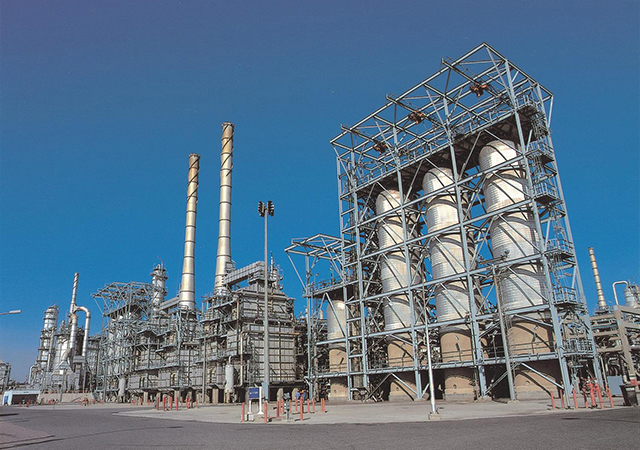
Mina Al Ahmadi Refinery ... being modernised.
Vision 2035, also known as New Kuwait, remains the main anchor for long‑term construction demand, targeting a transformation of the country into a regional financial and trade hub with upgraded infrastructure and diversified revenue.
A central pillar of Vision 2035 is the Northern Economic Zone (NEZ), a massive strategic initiative designed to transform the northern region into a global gateway for trade, tourism, and logistics and to diversify the economy away from oil. The zone covers approximately 1,700 sq km and is being developed through a mix of government funding and PPPs, with significant collaboration from Chinese entities under the Belt and Road Initiative (BRI).
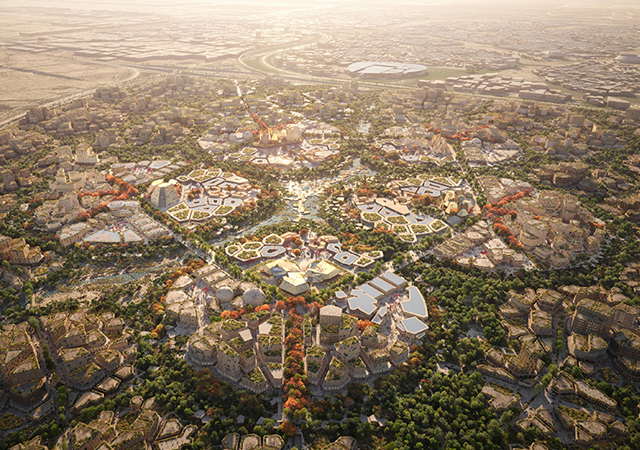
The zone will comprise several massive developments including Madinat Al Hareer (Silk City), a 250-sq-km mixed-use urban development in the Subiya region; Mubarak Al-Kabeer Port, located on Boubyan Island, designed to be one of the largest and most sustainable shipping hubs in the Middle East; Al-Abdali Economic Zone (AEZ), envisioned as Kuwait’s first smart, sustainable industrial city; and Kuwait Islands Development, a plan to transform the islands of Boubyan, Warba, Failaka, Miskan, and Aou into investment, tourism, and ecological hubs.
The Kuwait Islands Development, a $160-billion flagship initiatvie remains in focus, with groundwork expected to start as regulatory issues are cleared, though timelines may be sensitive to geopolitical conditions and financing appetite.
To spearhead Kuwait’s infrastructure ambitions, authorities are building a centralised project database and exploring new financing models designed to cut budget burdens by about 30 per cent, attract up to KD10 billion in private and foreign capital and create more than 50,000 jobs by 2030.
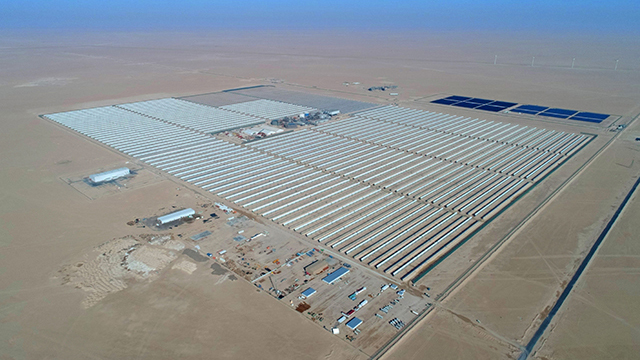
Shagaya solar power plant .... set for major expansion.
Kuwait has been leaning more heavily on PPPs for power, water, real estate and some transport projects, a trend that is likely to continue but under a more cautious risk lens. The $4.1-billion Az Zour North Two and Three Project, with net capacity above 2,700 MW and 120 million imperial gallons per day (MIGD), is one such key asset being pursued to shore up utilities capacity.
However, in view of the current challenges, planned renewable‑energy PPPs along with mixed‑use schemes could face slower financial close as lenders reprice geopolitical risk.
Private real estate, hospitality and discretionary commercial schemes are seen as most vulnerable to postponement or phasing, while bankable PPPs with strong sovereign support are better placed to proceed with adjusted pricing.
In the real estate sector, meanwhile, a pivotal shift occurred in late 2024 with a new decree regulating property ownership. This legislation allows companies with expatriate partners listed on the Kuwaiti stock exchange, along with licensed investment funds, to own real estate provided their primary activities are property-related.
While this opens the door to significant foreign capital in the sector, the law strictly prohibits these entities from dealing in private residential plots, preserving that specific niche for citizens. Furthermore, GCC nationals continue to be treated as Kuwaiti citizens regarding property rights, reinforcing regional economic integration.
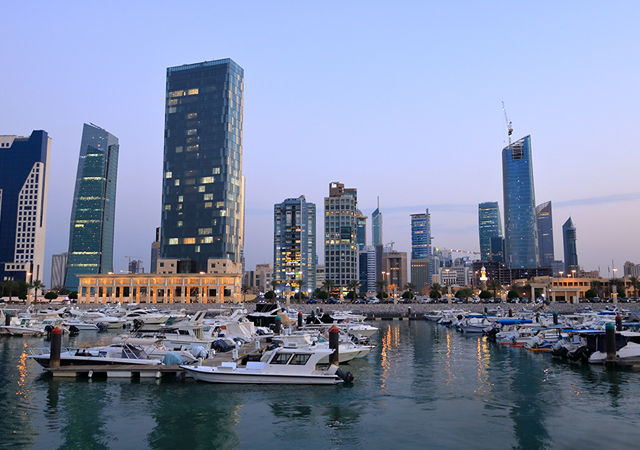
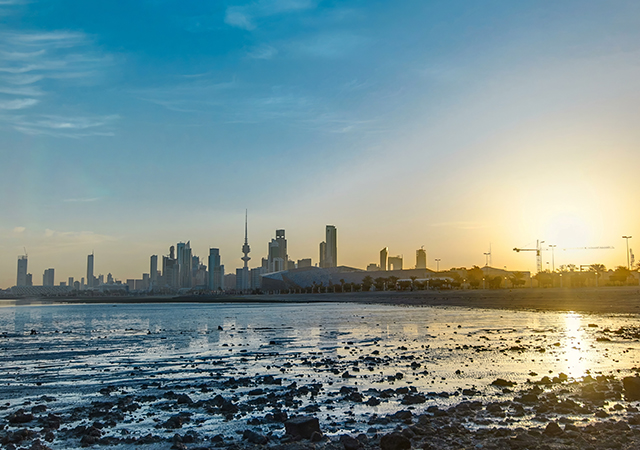
Kuwait City ... recent legislation allows companies with expatriate partners listed on the Kuwaiti stock exchange, along with investment funds, to own real estate.
Conflict‑driven pressures
The Gulf conflict has begun to hit regional construction through higher freight and insurance costs, shipping disruptions and tighter supply of imported steel, cement inputs and specialist equipment.
Kuwaiti contractors report longer lead times and higher logistics bills as vessels face war‑risk premiums and rerouting, prompting firms to add contingency to schedules and costs.
Expatriate labour mobility is also exposed to airspace restrictions and flight cancellations, raising the risk of delays on technically complex schemes that depend on foreign engineers and technicians.
Costs are expected to rise as freight, fuel and insurance feed into materials prices, putting pressure on margins and pushing contractors to seek escalation clauses or risk‑sharing mechanisms in new contracts.
Sector observers warn that smaller local contractors could face tighter liquidity as they carry more inventory and experience slower cash conversion, increasing the importance of timely payments on public works.
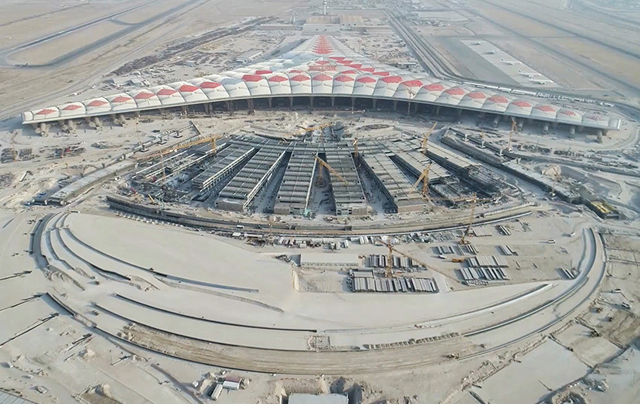
The new state-of-the-art Terminal 2 at Kuwait International Airport ... nearing completion.
Mega-cities and Housing
With100,000 people currently on a government waiting list for a home, with some waiting years, Kuwait has prioritised its goal of meeting the housing demand of its citizens. The state provides housing for all Kuwaiti families.
To combat the housing backlog, the government has launched a series of massive urban projects. Al Sabriya City stands as a flagship development in the north, featuring 55,000 units, while the Khairan and Nawaf Al Ahmad cities are set to provide 60,000 and 55,000 units respectively.
A landmark 2023 law has further enabled the bidding process for Al Mutla’a City and both East and West Saad Al Abdullah City. These projects utilise 30-year contracts that include a four-year construction window, allowing private partners to design, finance, and operate the developments.
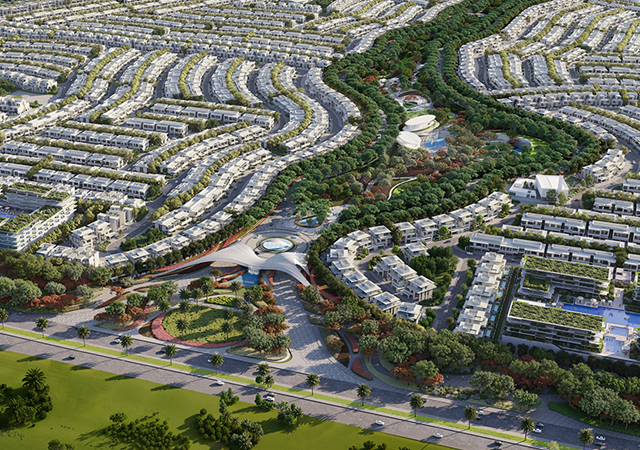
Another notable housing project is South Sabah Al Ahmad City, which is advancing rapidly. Located 80 km south of the capital, this 61.5-sq-km urban core is designed for 280,000 residents. Recent contract awards for this city include a KD36.5 million deal for the installation of 400-kV underground cables to feed four main substations.
Infrastructure here is well under way, with major roads nearing completion. According to Public Authority for Housing Welfare (PAHW), main roads in South Sabah Al Ahmad City are more than 87 per cent complete while those in South Saad Al Abullah project is 58 per cent complete.
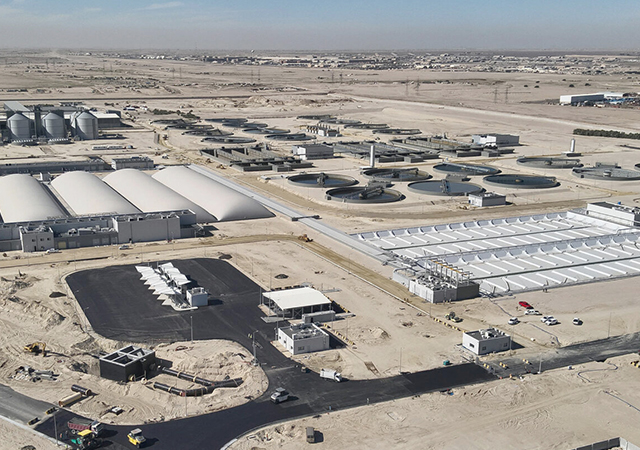
Umm Al-Hayman plant currently produces 500,000 cu m of advanced treated water.
Transport infrastructure
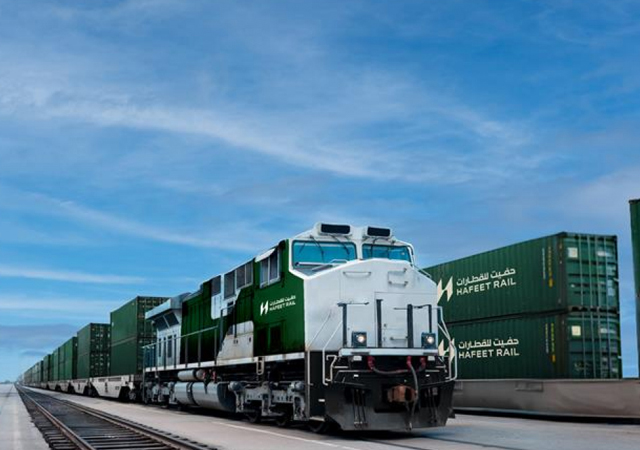
A key project that has recently received the green light is the 111-km Kuwait segment of the GCC Railway project will connect the Nuwaiseeb border crossing to Shaddadiyah, featuring a 2-million-sq-m main station. The project includes a high-speed link to Riyadh, with completion set between December 2028 and 2030, according to an Arab Times report.
Meanwhile, significant progress has been made on the long-awaited Mubarak Al-Kabeer Port, one of Kuwait’s strategically important infrastructure projects which has been envisioned as a cornerstone of the country’s future trade and logistics network. The engineering, procurement and construction (EPC) contract for the project was signed late last year with a consortium as part of a memorandum of understanding with China.
The consortium led by China Communications Construction Company (CCCC) has appointed Egis, a global leader in the architecture, consulting, and construction engineering, to provide project management and construction supervision services for the remaining works on Phase One of the Mubarak Al Kabeer Port. The current phase focuses on completing the marine, onshore, and operational works required to bring the port into full service for the first time.
The quay structures and backland reclamation for Phase One were completed in 2014, establishing the physical foundation of the port.
Meanwhile, the completion of the new state-of-the-art Terminal 2 at Kuwait International Airport, which was set for late 2026, could be pushed further back following the material damage the project has sustained due to the Iranian drone and missile strikes linked to the ongoing regional conflict.
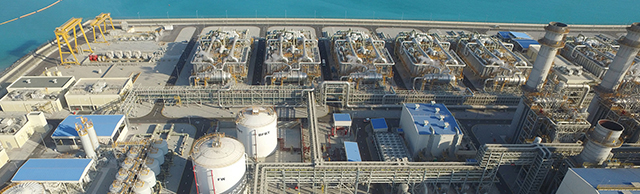
Al-Zour Power Plant ... the Al-Zour North Phase Two and Three projects have recently received the go-ahead.
Power & Water
Kuwait is actively addressing electricity shortages through massive PPP projects. The Al-Zour North Phase Two and Three projects recently received the go-ahead with the signing of contracts worth $3.27 billion (KD1 billion) with a consortium led by Acwa Power and Gulf Investment Corporation.
Similarly, the Al Khairan Phase One project is currently in the bidding stage, seeking to add 1.8 GW of capacity and 125 million imperial gallons of water per day.
Meanwhile, Kuwait’s Ministry of Electricity, Water and Renewable Energy (MEWRE) announced that it had received two bids for the Al Subiya Power Generation and Water Distillation Station upgradation project. The tender attracted proposals from Heavy Engineering Industries and Shipbuilding Company (Heisco), which priced its proposal at KD200 million and Shanghai Electric Group, which was the lowest bidder at KD125.2 million. The Al Subiya station is a critical component of Kuwait’s power and desalination network, supplying a significant share of the nation’s electricity and potable water needs.
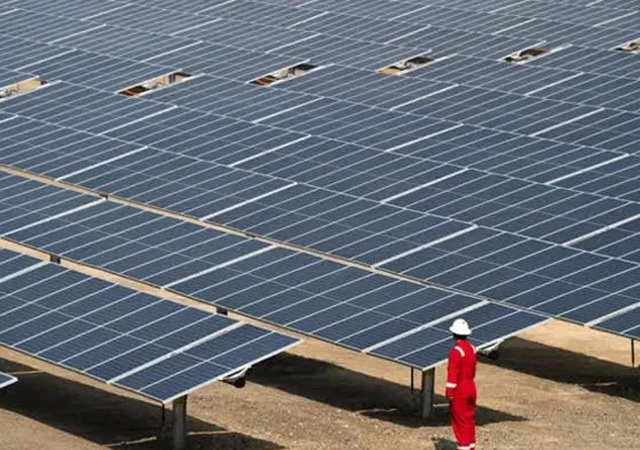
In the renewables sector, the Al Dibdibah and Al Shagaya projects are moving forward to meet sustainability goals. Shortlisted bidders for the Phase Three Zone 2 project – a 500 MW Solar PV IPP – include global giants like Masdar, TotalEnergies, and EDF Renouvelables.
Another key area which has attracted private sector interest is wastewater treatment. The Umm Al-Hayman wastewater treatment plant, which currently produces 500,000 cu m of treated water for agricultural and landscaping use in the central and southern regions, was one such successfully completed PPP project. Work has now been flagged off on the Kabd North wastewater treatment plant to support the northern wastewater system and expand the treated water used for afforestation.
Also being developed is the $500-million South Al Mutlaa Wastewater Treatment Plant (WWTP). Located on a 1.1-million-sq-m site in northern South Al Mutlaa City, this facility will treat up to 600,000 cu m of wastewater per day at peak capacity, utilising integrated renewable energy systems to power its operations. Leading consultant Dar has secured a contract to provide design review and construction supervision services for the WWTP along with related works.
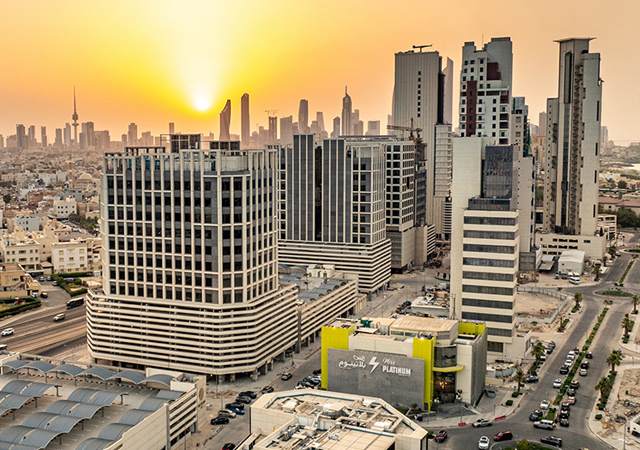
Hessah District has become a vibrant urban community following the opening of its primary commercial destinations.
Oil & Gas
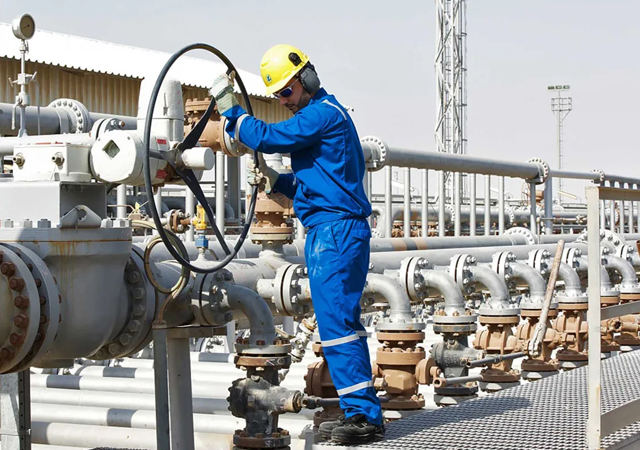
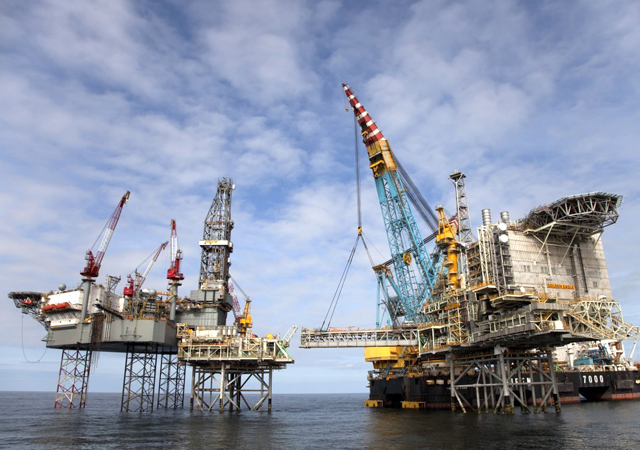
The hydrocarbons sector remains a cornerstone of construction activity and work in this sector continued to accelerate through late 2025, backed by significant contract awards from Kuwait Oil Company and Kuwait National Petroleum Company (KNPC) aimed at modernising production, processing, and export facilities.
In November 2025, KOC awarded contracts totalling KD679.4 million for the supply, installation, and maintenance of electrical submersible pumping (ESP) systems to enhance oilfield productivity. The contracts went to Alkhorayef Petroleum (KD233.99 million), Halliburton (KD201 million), Schlumberger (KD169.96 million), and Tianjin Rongheng Group (KD 74.95 million).
Around the same period, Larsen & Toubro (L&T) emerged as the lowest bidder at KD303.5 million for KOC’s Jurassic Light Oil (JLO) export facilities and network upgrade project. The project scope includes the construction of new storage tanks for export crude and modernisation of existing crude export infrastructure, underscoring Kuwait’s drive to expand its export capacity.
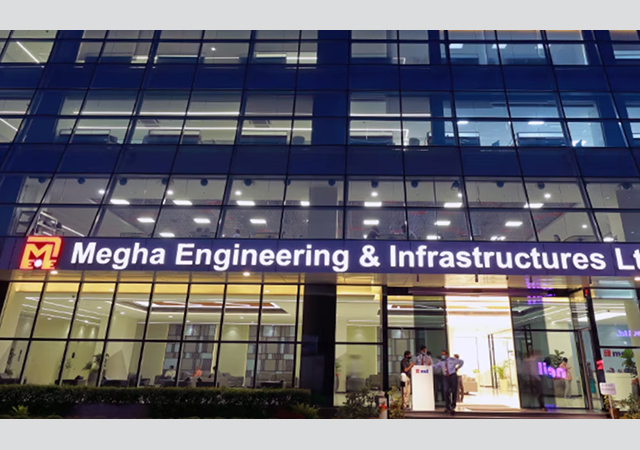
In October, India’s Megha Engineering & Infrastructures Limited (MEIL) secured a KD69.23 million EPC contract for a gas sweetening plant in West Kuwait, designed to treat 120 million standard cubic feet per day (MMSCFD) of sour gas. The facility includes sulphur recovery units (SRUs) operating on a build-own-operate (BOO) model to produce clean gas for KOC’s network and supply the Mina Ahmadi Refinery.
Modernisation of the Mina Al Ahmadi Refinery is also a priority. Earlier in the year, Bilfinger Engineering & Maintenance Middle East won a front-end engineering design (FEED) contract from KNPC for the New North Oil Pier at the refinery. The project aims to replace aging export piers by 2030, with design work focusing on operational optimisation, environmental compliance, and long-term export capacity.
Collectively, these projects reinforce Kuwait’s commitment to energy infrastructure renewal, boosting production efficiency, export reliability, and environmental sustainability.
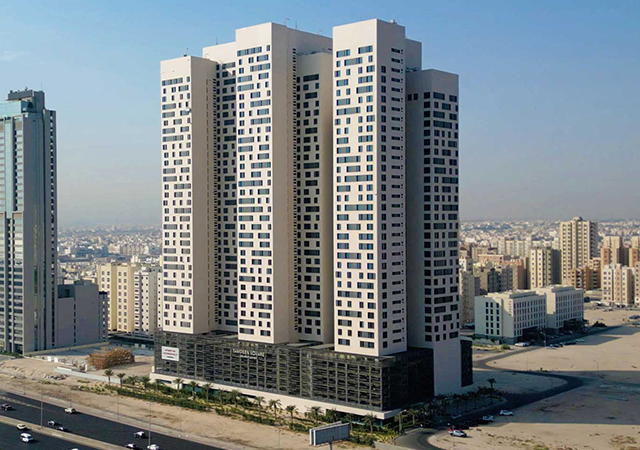
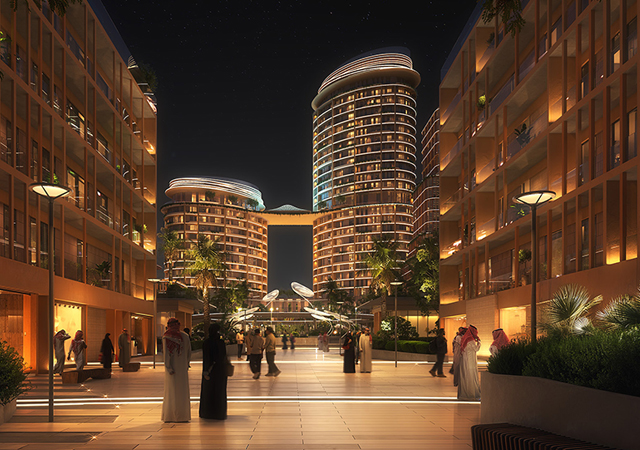
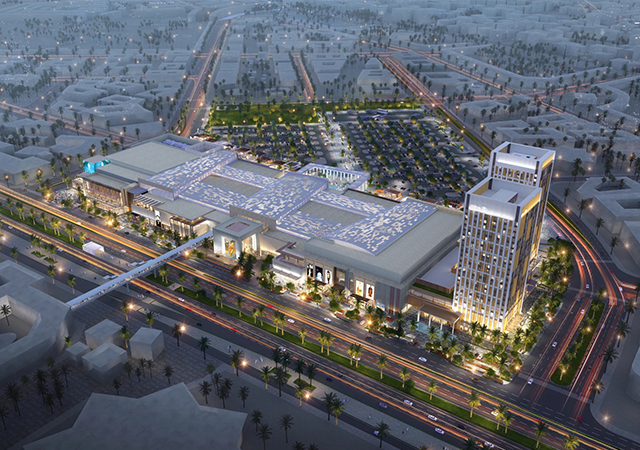
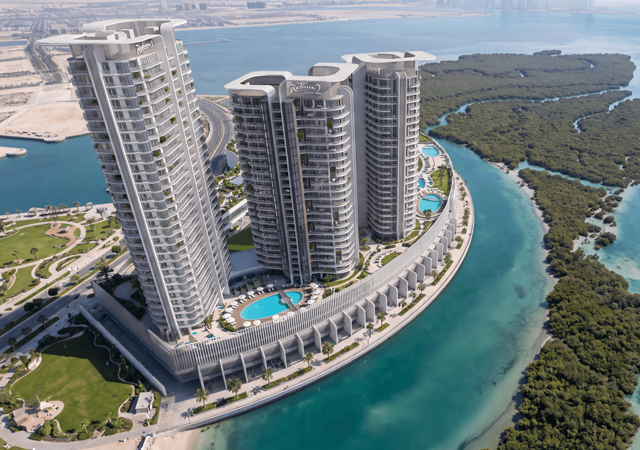
Tamdeen Square, a two-tower residential complex by Tamdeen Group.
Real Estate
One of Kuwait’s landmark real estate developments, Hessah District has officially transitioned from a construction site to a vibrant urban community following the successful opening of its primary commercial destinations, Hessah Plaza and Hessah Hub.
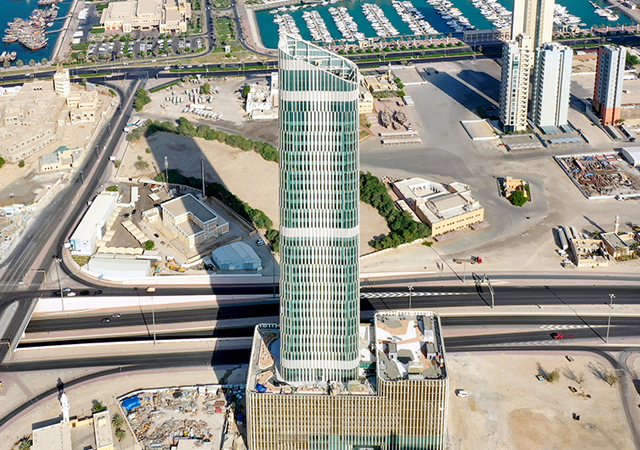
This milestone marks a significant shift for United Real Estate Company (UREC) as the project’s first residential phases, including the landmark 40-storey Hessah Towers and the luxury townhouses of Byout Hessah, are now fully integrated into the district’s landscape. The newly opened Hessah Plaza serves as a luxury retail and dining anchor, featuring several international brands making their debut in Kuwait, while Hessah Hub provides essential daily services for the growing population of residents and visitors.
The district’s prestige was further elevated by a confirmed partnership with Nobu Hospitality and Dhaliliyah Company. This high-profile collaboration will introduce the first Nobu-branded residences and signature restaurant to Kuwait, adding 90 luxury serviced units and a sophisticated ballroom to the Hessah Plaza.
Meanwhile, Kuwait is also revitalising its leisure sector through public-private partnerships. The official reopening of Messilah Beach, a 70,000-sq-m beachfront destination, marks a successful collaboration between United Projects for Aviation Services (UPAC) and the Touristic Enterprises Company (TEC). The project includes a 250-m sandy beach and extensive recreational facilities managed under a 17-year contract, signalling a commitment to enhancing the quality of life and tourism appeal within the country’s new urban masterplans.
UREC has secured the deal to develop for the Waterfront Real Estate Project - Phase Three, located in the Sharq area of the capital, from KAPP.
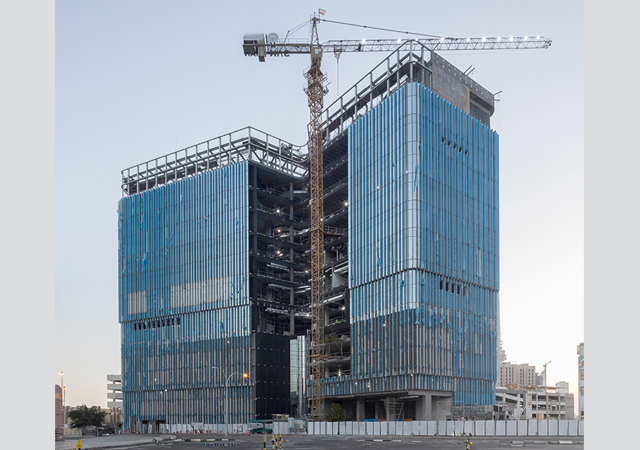
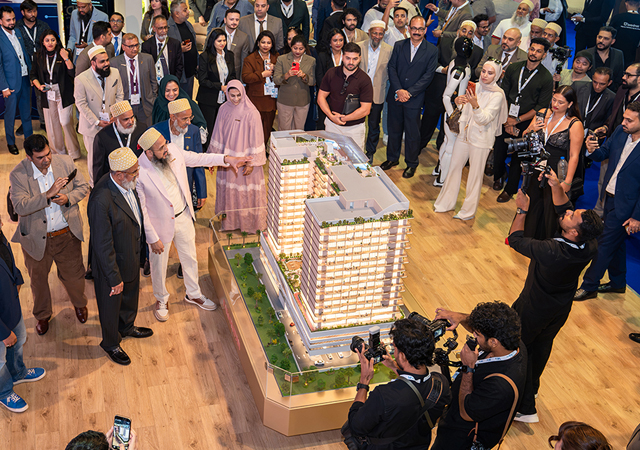
Another major developer Tamdeen Group has commenced work on The Farm Kuwait, a mixed-use development in Sabah Al Salem area in the Mubarak Al-Kabeer Governorate. The group is also developing Tamdeen Square, a two-tower residential complex, which is located nearby.