








Sustainability has become a defining priority for the global construction industry. Buildings today must minimise resource consumption, reduce environmental impact and operate efficiently throughout their lifecycle. While much focus is often placed on energy systems and building materials, sanitary infrastructure also plays an important role in sustainable building design.
Sanitary systems from Switzerland-based Geberit contribute to greener buildings through water efficiency, durable materials and optimised hydraulic engineering. From water-saving flushing technologies to long-lasting piping systems and efficient drainage solutions, these innovations support environmentally responsible construction.
Speaking to Gulf Construction, Geberit Gulf’s Head of Marketing and Communications Louise Pitt explains: “Sanitary infrastructure is often overlooked in discussions around sustainable buildings, yet it has a direct impact on water efficiency, resource consumption and long-term operational performance. At Geberit, we focus on engineering systems that optimise water use, extend product lifespan and simplify installation. By addressing the entire water cycle within a building, our technologies help developers and consultants deliver projects that are both environmentally responsible and highly efficient.”
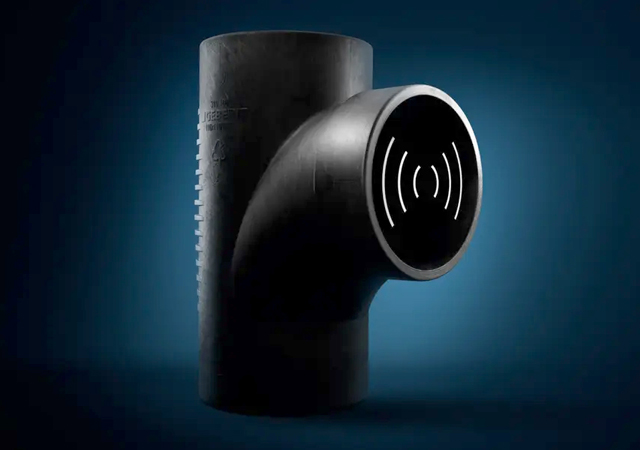
Products with an EPD (Environmental Product Declarations) now account for 30 per cent of Geberit’s sales.
Durable materials and long service life
One of the most effective ways to improve building sustainability is to increase the lifespan of building systems. Products that last longer reduce the need for replacement, minimise material waste and lower the environmental footprint associated with manufacturing and transportation.
Geberit piping systems are designed with durability as a core principle. Materials such as high-density polyethylene (HDPE) provide exceptional resistance to corrosion, chemicals and mechanical stress while maintaining structural integrity over decades of use, she states.
According to Pitt, these systems can achieve service lives exceeding 50 years, significantly reducing lifecycle impacts. Their flexibility also allows them to absorb structural movement and thermal expansion, an important characteristic in large or high-rise buildings.
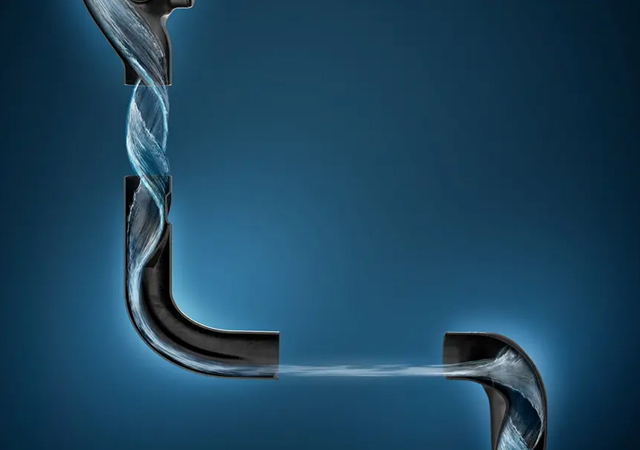
Geberit scores in the “Material“ category with products made of recyclable material (PP piping systems) solutions that contribute to a high level of space and material savings, such as the SuperTube drainage system.
Supporting green building standards
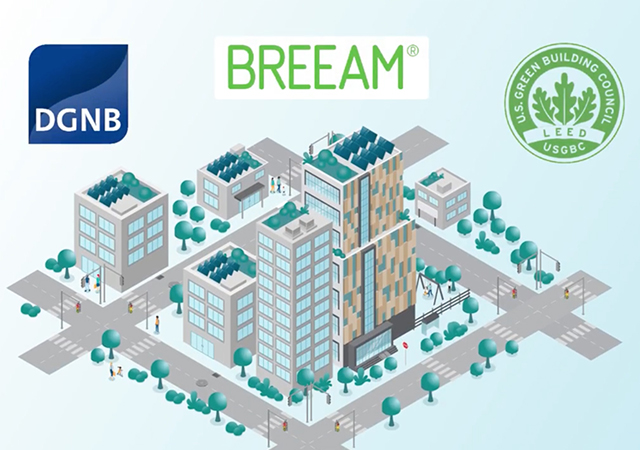
Green building certification frameworks such as LEED (Leadership in Energy and Environmental Design) and BREEAM (Building Research Establishment Environmental Assessment Method) increasingly evaluate water efficiency, material performance and lifecycle sustainability.
Geberit sanitary systems support these requirements through water-saving technologies, durable materials and optimised system design. Detailed product documentation, environmental declarations and BIM libraries allow design teams to integrate sanitary systems effectively into sustainable building strategies, she adds.
Building a more sustainable future
“As the construction sector moves toward greener and more resource-efficient buildings, sanitary infrastructure will continue to play a crucial role. Efficient water management, durable materials and advanced hydraulic engineering are essential components of sustainable building performance. Through continuous innovation in sanitary technology, Geberit supports architects, engineers and developers in delivering buildings that are not only functional and comfortable but also environmentally responsible.
“By mastering the flow of water throughout the built environment, Geberit contributes to the development of smarter, more sustainable cities for the future,” Pitt concludes.
The globally-operating Geberit Group is a European leader in the field of sanitary products and celebrated its 150th anniversary in 2024. The group, which is headquartered in Rapperswil-Jona, operates with a strong local presence in most European countries, providing unique added value when it comes to sanitary technology and bathroom ceramics. It has a network of 26 production facilities, of which four are located overseas. With around 11,000 employees in more than 50 countries, Geberit generated net sales of CHF3.2 billion ($4.11 billion) in 2025.