


















The GCC Standardization Organization (GSO) has officially adopted the Global Sustainability Assessment System (GSAS) as the unified regional standard for sustainable buildings, a move set to transform construction practices across the six-member GCC bloc.
The new technical standard, designated GSO 3000:2025, provides an integrated framework for green building requirements within the wider Gulf Building Code. The adoption, announced by the Qatar-based Gulf Organisation for Research and Development (GORD), aims to harmonise environmental performance benchmarks for both public and private urban projects.
The regional adoption of GSAS comes as part of GSO’s efforts to develop an integrated framework guiding building and construction practices across the Gulf region, ensuring a practical methodology for applying sustainability requirements within the Gulf Building Code. It also contributes to catalysing the implementation of green practices across both public and private projects while supporting sustainable development goals throughout the region.
As the Middle East’s first performance-based green building rating system, GSAS is now the fastest-growing framework in the GCC, boasting nearly 2,700 certified projects and a footprint exceeding 3.1 billion sq ft.
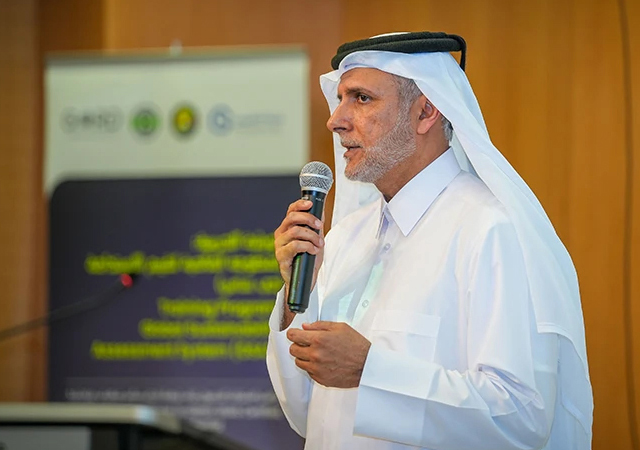
Dr Alhorr ... “a pivotal milestone in establishing sustainability benchmarks”.
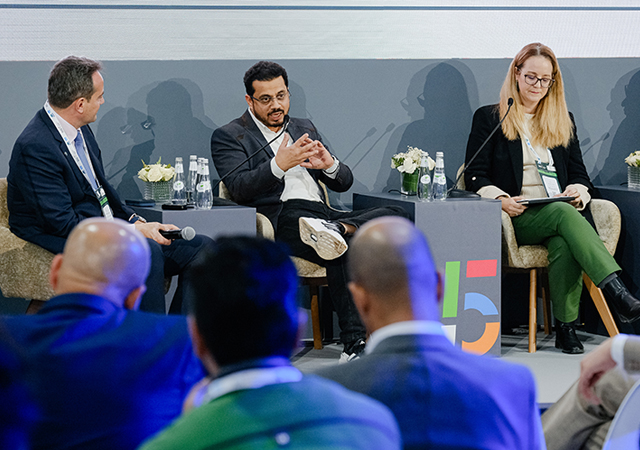
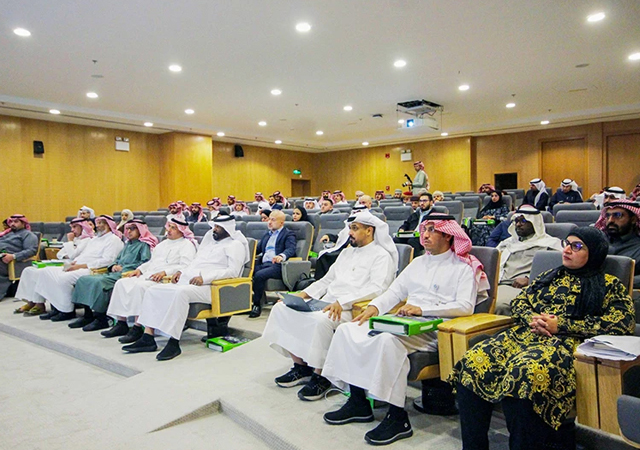
To support the effective regional implementation of the new standard, GORD, in collaboration with the GSO, organised the first specialised training workshop on the GSAS framework at the GSO headquarters in Riyadh.
“The GCC Standardization Organization’s adoption of GSAS under Standard GSO 3000:2025 marks a pivotal milestone in establishing sustainability benchmarks for the building and construction sector across the GCC,” said Dr Yousef Alhorr, Founding Chairman of GORD. “That said, policies and standards are only effective when they are matched by skilled professionals who can put them into practice. This underscores the vital importance of capacity building through training programmes, ensuring that goals and standards are transformed into measurable results on the ground.”
The intensive three-day programme focused on the GSAS Design & Build (GSAS-D&B) framework. It was attended by more than 75 participants from government agencies and relevant sectors across the GCC, as part of an effort to build the professional capacity required to ensure a comprehensive and effective rollout of the adopted Gulf standard.
Participants engaged in hands-on sessions covering GSAS methodologies for assessing environmental performance across eight key categories: energy, water, indoor environment, cultural and economic value, site, urban connectivity, materials, and management and operations.
The workshop was led by experts from GORD’s Center of Excellence, GSAS Trust, who utilised an integrated approach that combines academic theory with practical application, ensuring full alignment with the Gulf Building Code.
Beyond theoretical frameworks, attendees gained practical proficiency in core system tools, including GSAS calculators and GSASgate – the online platform designed to manage sustainable building projects and track assessment and certification processes.
Beyond knowledge dissemination, the workshop served as a critical bridge to the mandatory qualifying exam for becoming a GSAS Design & Build (D&B) Certified Green Professional (CGP). Professionals who successfully pass the exam are authorised to lead GSAS projects. Furthermore, having accredited CGPs on staff allows organisations to qualify as GSAS Service Providers, enhancing their competitiveness in major projects that require documented sustainability standards.
The GSAS training workshop served as a critical vehicle for building professional capacity in parallel with establishing regional standards – an essential alignment to ensure that the new GSO Standard delivers lasting impact across the region.
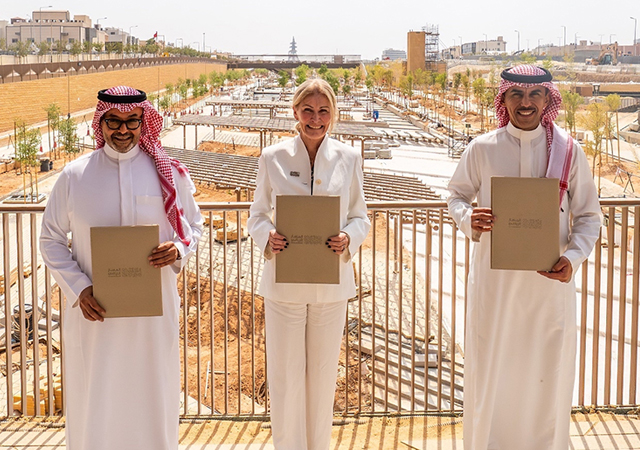
GORD – a subsidiary of Qatari Diar Real Estate Investment Company, which developed the region’s first Sustainable Construction Code – signed the agreement with the GSO early last year for integrating the code into the wider Gulf Building Code.
The Sustainable Construction Code serves as a vital intergovernmental tool, aiming to promote sustainable practices across a broad spectrum. It establishes a baseline set of green building criteria for a diverse range of construction projects, addressing various facets of sustainability.