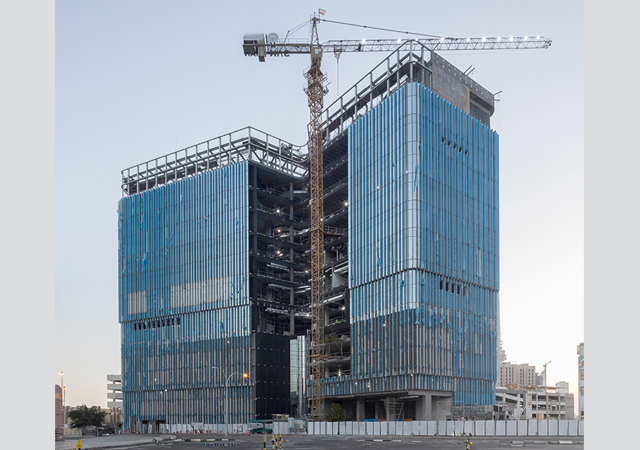
















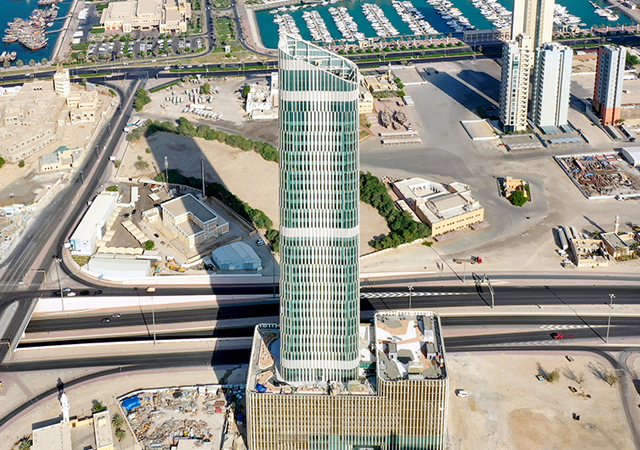
Construction work on the new headquarters of Boubyan Bank, which is set to become a major landmark on Kuwait’s evolving skyline, is entering the final stages in the capital’s central business district.
The development has reached 98 per cent completion, with an official opening scheduled for the end of May 2026.
Perkins Eastman served as the concept architect, while SSH was appointed to deliver lead design services, including interior design and construction supervision.
Designed to reflect the institution’s ambition to deliver excellence beyond finances, the building stands as a symbol of institutional strength and a significant corporate presence within the capital, says SSH.
Rising from a 3,960-sq-m site in a high-value corridor, the project provides more than 75,000 sq m of built-up area, achieved through careful optimisation of local planning regulations and building codes.
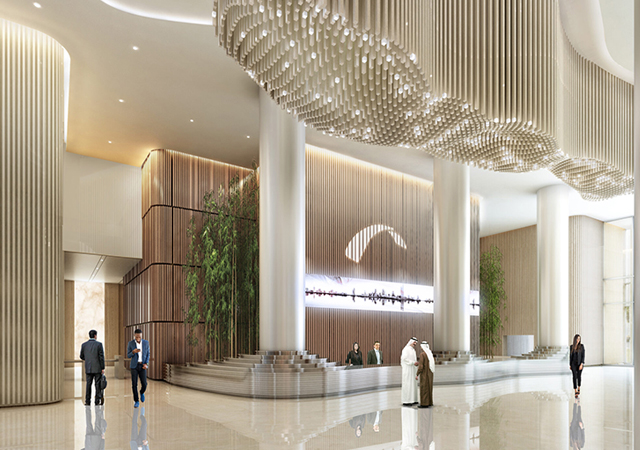
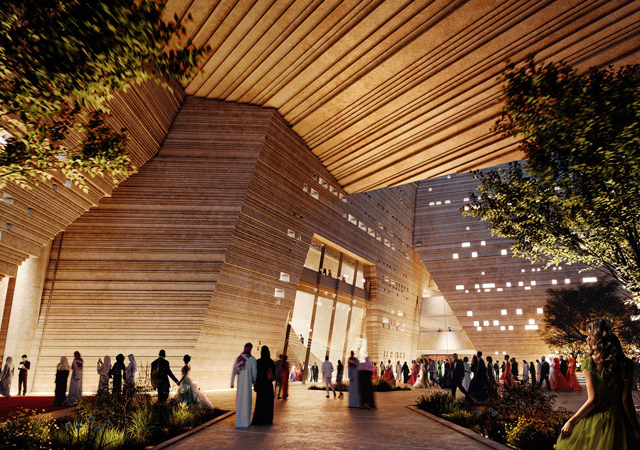
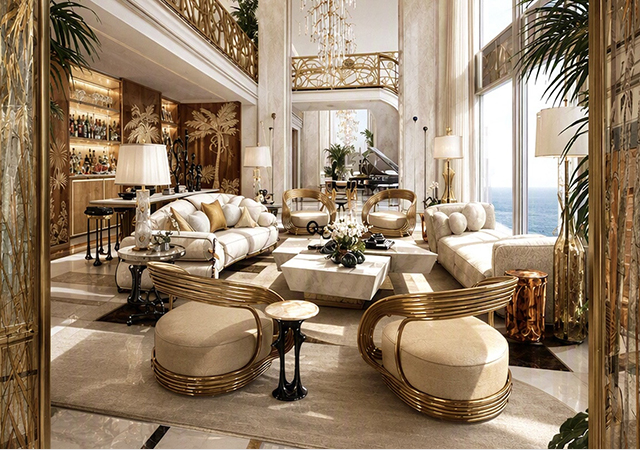
Boubyan Bank headquarters' lobby.
Envisioned not only as a corporate headquarters but as a symbol of Kuwait’s evolving financial sector, the building has been designed to embody innovation, growth and cultural identity. The project also positions Boubyan Bank to accommodate future expansion while establishing a premium address with a clear architectural presence among surrounding developments.
The 40-storey tower is designed to maximise floor efficiency while integrating a bold infrastructure concept that supports modern workplace environments. The facility will house spacious offices, large convention halls, and extensive public areas intended to facilitate collaboration and client engagement in well-lit spaces. These spaces are configured to support the integration of advanced technologies across the bank’s various sectors, including banking, real estate, and investment services.
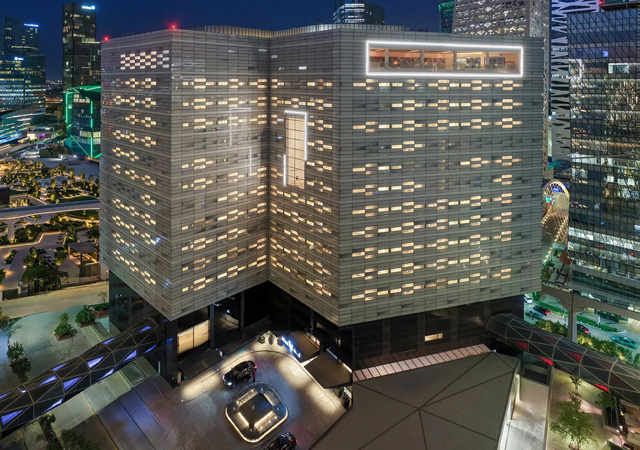
The external façade of Boubyan Bank Tower spans the entire building reaching an overall height of approximately 200 m above ground level.
According to SSH, the tower’s exterior façade is distinguished by its dynamic geometry and staggered panel alignment, creating a visually striking and highly responsive envelope. Façade panels shift in elevation after every second floor and are inclined across the north, west and east elevations, enhancing both aesthetics and environmental performance. Each panel integrates glazed elements and GRC panels, with the GRC panels carefully dimensioned based on the sun path to optimise shading and energy efficiency. However, the varying inclinations introduce complex junctions at the corners, requiring specialised façade systems to ensure proper integration and performance, it adds.
At the podium level, which accommodates parking, a similar modular approach is maintained, with glazing replaced by perforated coloured aluminium panels to support ventilation while preserving the overall design language. Above, the tower is crowned by an extended roof structure, which was considered in relation to the operation and reach of the building maintenance unit (BMU).
Due to the distinct façade treatments, the podium contains an independent cleaning and maintenance strategy, operated from the amenities level, ensuring efficient and safe upkeep of the entire structure.