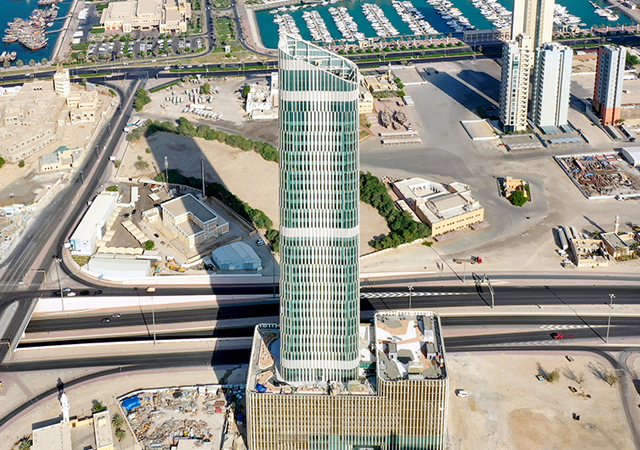



























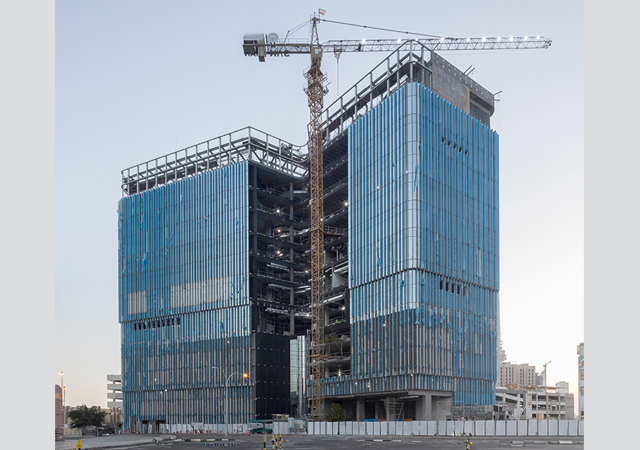
Construction of the new headquarters of Kuwait’s Institute of Banking Studies (IBS) is more than halfway complete and continues to progress ahead of schedule, regional multidisciplinary firm Pace, which is leading the project from concept design to construction supervision, tells Gulf Construction.
Part of Kuwait’s wider drive toward a knowledge-based economy, the IBS development aims to strengthen education and training in the financial sector while setting a new benchmark in institutional architecture.
The headquarters, designed as a vertical campus, comprises three basement levels, a ground floor and 12 upper floors. This stacked configuration efficiently integrates a diverse programme of academic, administrative, and social spaces within a compact footprint.
Commenting on the project, Pace CEO Architect Tarek Shuaib tells Gulf Construction: “At Pace, we approach projects like the Kuwait Institute of Banking Studies as catalysts for broader transformation. This state-of-the-art academic facility contributes to a larger ecosystem that supports Kuwait’s ambition to become a regional hub for knowledge, finance, and innovation. It is an investment not only in infrastructure, but in the development of human capital and institutional excellence.”
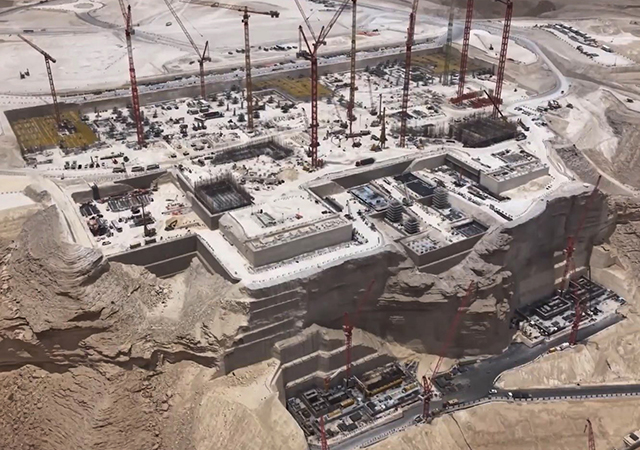
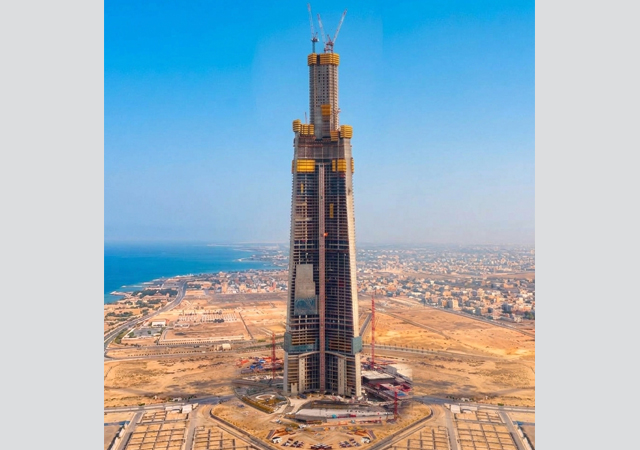
The structure is currently 53 per cent complete, with major civil and façade works entering advanced phases.
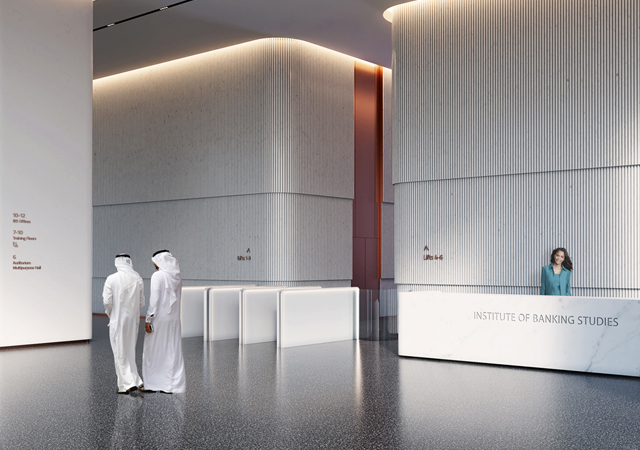
Teaching and institutional spaces are arranged across several levels.
Structural and construction progress
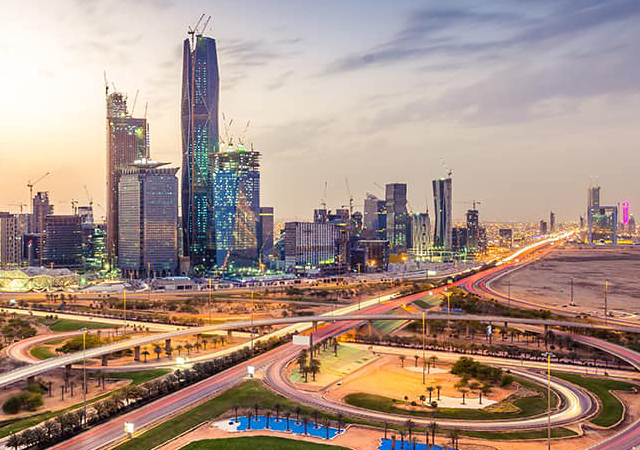
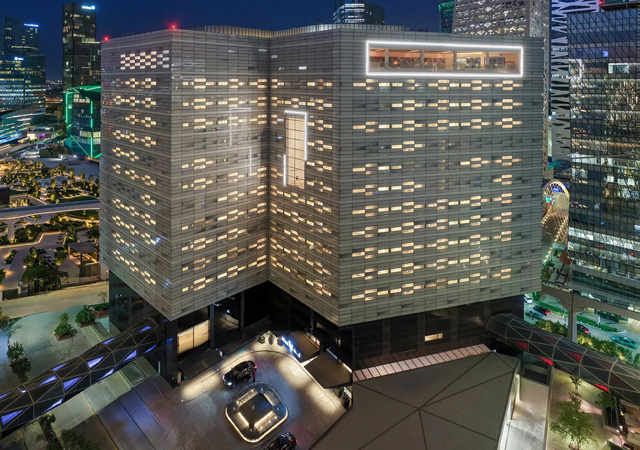
Pace says the main structural frame is now substantially complete, with minor works remaining on the upper roof level. Blockwork has been finalised up to the 12th floor, while internal finishing, including painting, has advanced to Level 5. Curtain-wall installation has reached the top floor, gradually defining the building’s visual identity along Kuwait City’s skyline.
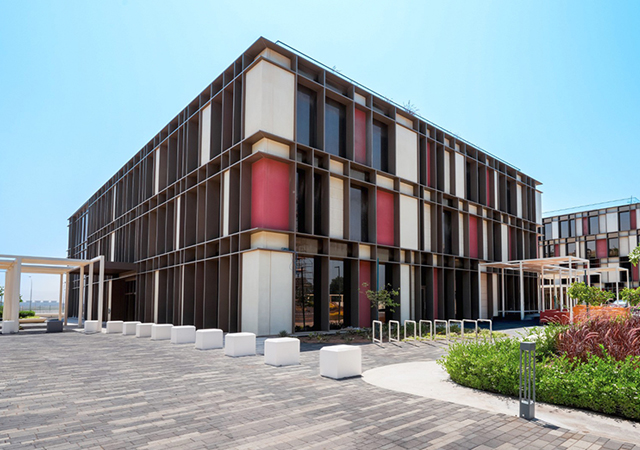
“A defining feature of the project is its façade, where high-performance glazing is supported by aluminium fins. This system not only contributes to the building’s contemporary aesthetic but also plays a critical role in environmental performance. By moderating solar gain and optimising daylight penetration, the façade enhances interior comfort while reducing energy demand”, Shuaib explains.
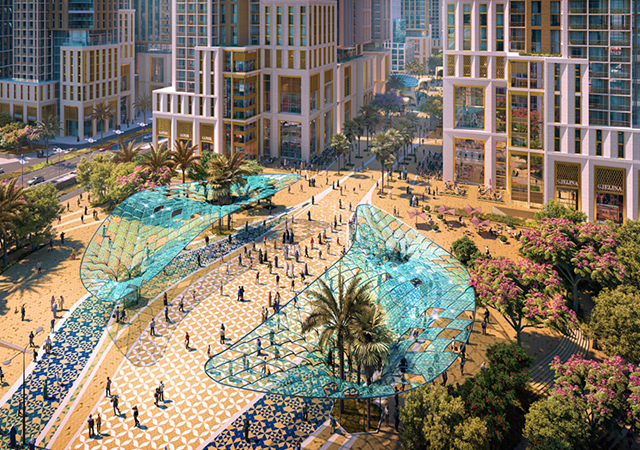
The building’s orientation enables views toward both the city and the Arabian Gulf, maximising the use of natural light while reducing reliance on artificial illumination. Outside, a combination of hard and soft landscaping creates shaded pedestrian areas and reinforces the building’s position as a welcoming, accessible campus.
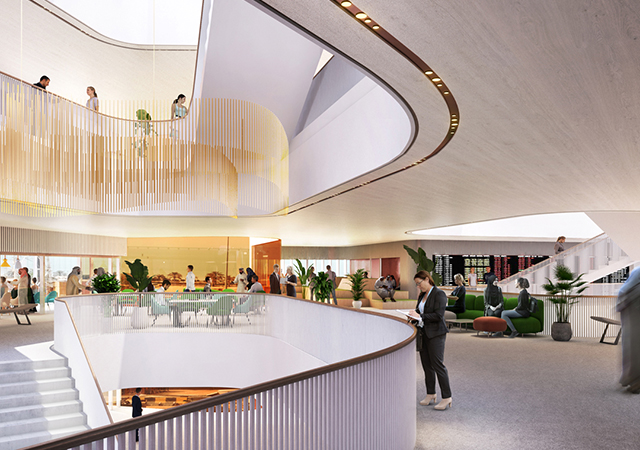
Central atriums extend through multiple floors, distributing daylight deep into interior spaces and creating visual links between levels.
Interior organisation
The main entrance, marked by a tensile canopy, opens into a spacious lobby that introduces the building’s modern character: open, contemporary, and welcoming. From there, the spatial sequence unfolds across podium levels, office floors, and specialised teaching environments, all carefully integrated to support both daily operations and long-term adaptability.
Vertical and horizontal circulation have been planned for efficiency, integrating podium areas with upper academic levels.
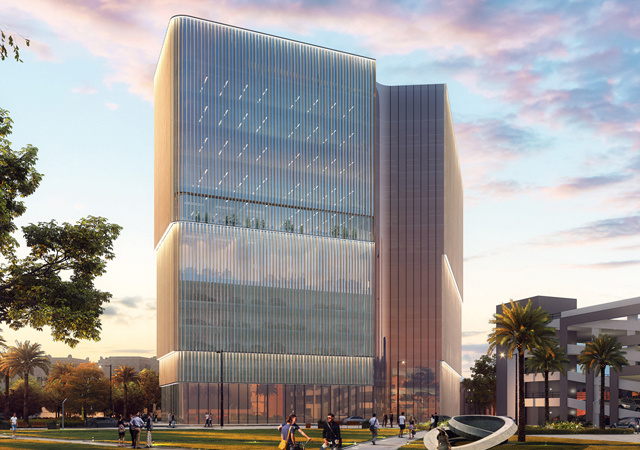
The headquarters, designed as a vertical campus, comprises three basement levels, a ground floor and 12 upper floors.
Inside, the design emphasises natural light, transparency and connectivity. Central atriums extend through multiple floors, distributing daylight deep into interior spaces and creating visual links between levels. These atriums also act as social hubs, encouraging interaction between students, faculty and visiting professionals.
Lower floors house car parking, technical facilities and a podium containing key service functions. Above these, teaching and institutional spaces are arranged across several levels, including lecture halls, workshops, laboratories, and a library alongside a cafeteria and breakout areas. Open-plan offices and dedicated director’s suites further support institutional operations. A multi-purpose hall and auditorium anchor the building’s public interface, enabling it to host events, conferences, and industry gatherings that extend its reach beyond the classroom.
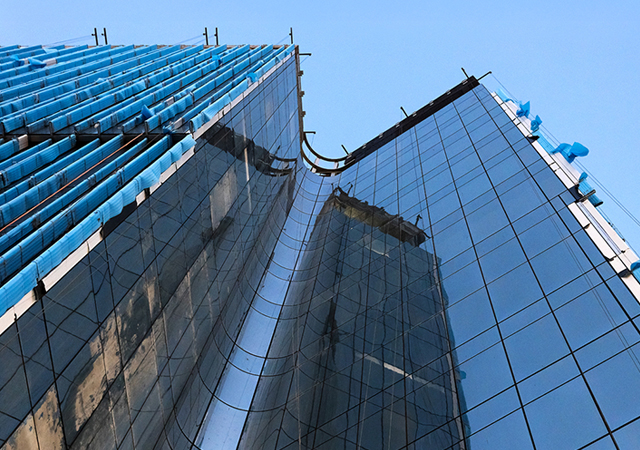
Curtain-wall installation has reached the top floor, gradually defining the building’s visual identity along Kuwait City’s skyline.
Educational and economic significance
“As construction advances, the project is already demonstrating its potential to become a cornerstone for banking and financial education in Kuwait. By integrating specialised academic facilities with flexible, community-oriented spaces, the development is poised to serve a wide spectrum of users, from students and faculty to industry professionals. Once complete, IBS is set to become a beacon for financial education in the region, an environment designed to inspire and connect future generations of professionals,” Shuaib states.
The new Institute of Banking Studies headquarters embodies Kuwait’s drive toward a knowledge-based economy, reflecting the country’s long-term strategy to invest in future-ready infrastructure that strengthens human capital and reinforces its position as a regional centre for finance and innovation.