







It’s no secret that the Middle East’s cooling demands are uniquely high, driven by extreme summer temperatures, high humidity and a growing population. With rapid urban development and seasonal tourism booms, energy use for cooling is on track to rise from the current 32 per cent of total building energy consumption, to 72 per cent by 2100.
Set against a mounting regional focus on sustainability, greater alignment is needed across all industries to prioritise eco-friendly solutions, without compromising on efficiency, cost or practicality.
Bridging the gap between goals and progress
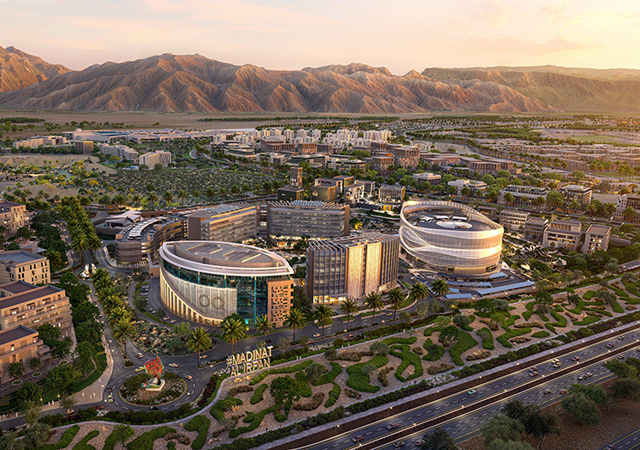
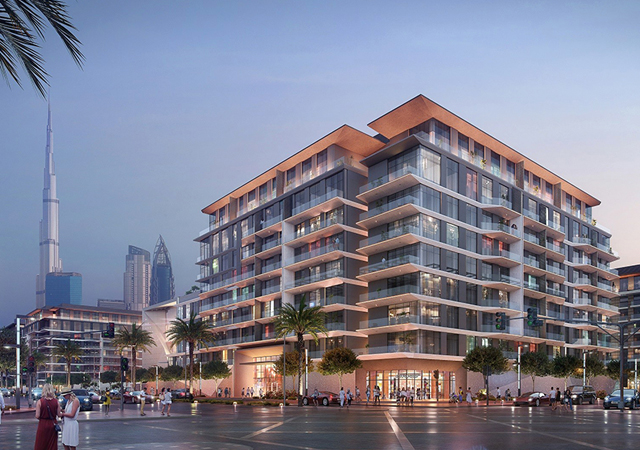
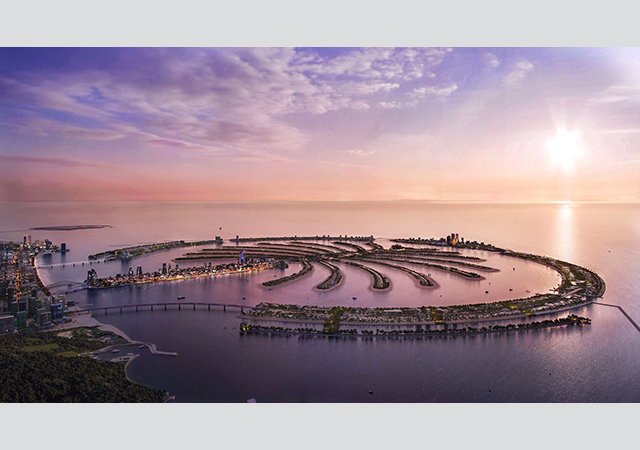
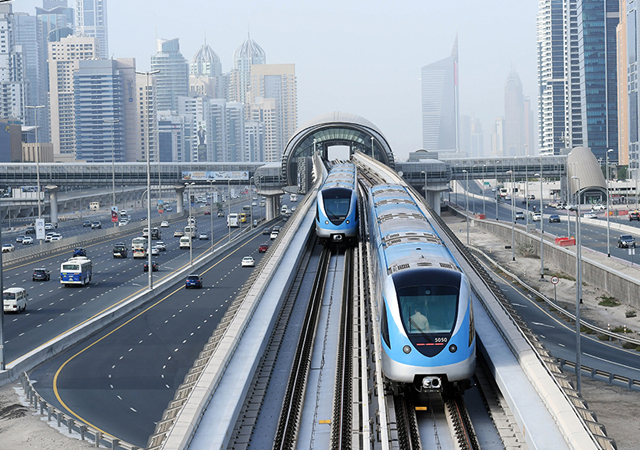
Whilst the construction of major infrastructure continues to shape the global reputation of Dubai, Riyadh, Abu Dhabi and other Middle Eastern cities, governments have made carbon reduction a strategic priority.
The UAE was the first country in the Middle East to commit to net zero emissions by 2050, with major reductions targeted across sectors and building efficiency placed at the centre of its agenda. The UAE Energy Strategy 2050 also aims to improve individual and institutional energy consumption efficiency by 42 to 45 per cent, by 2030. Saudi Arabia has likewise committed to net zero emissions by 2060. In addtion, focused initiatives such as Abu Dhabi’s Estidama Pearl Rating System aim to raise the standard for sustainable building across the region.
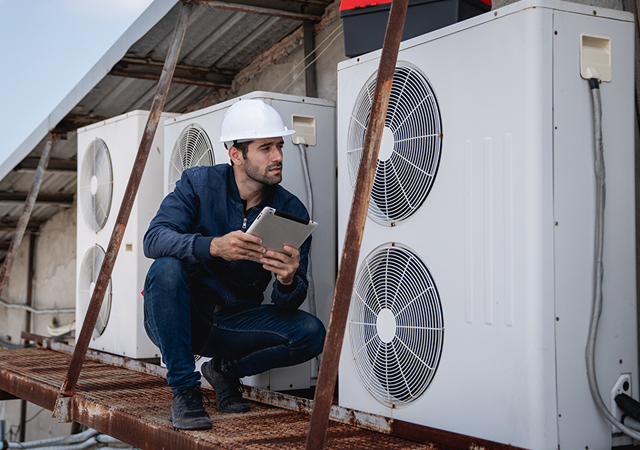
Older systems can be retrofitted to integrate modern, performance enhancing tools.
As governments across the Middle East set ambitious agendas, the focus on sustainable growth is clear. However, more needs to be done to bridge the gap between these long-term goals, and practical progress. Rising cooling demand, driven by rapid urban development, continues to pose a growing challenge, with cooling accounting for up to 70 per cent of a building’s electricity consumption in the GCC.
Saudi Arabia and the UAE have gained international status as leaders in business, tourism and modern infrastructure. Leading on sustainable development is a crucial part of maintaining this global presence, and the Middle East needs to start positioning itself at the forefront of construction. HVAC (heating, ventilation and air-conditioning) will be one of the most vital tools to steer the region towards a more sustainable future, ensuring that high-level agendas translate to building performance on the ground.
Innovation is the new standard
Innovative HVAC systems optimise sustainability by dramatically cutting energy use through features such as variable speed technology, advanced controls and predictive capabilities. Smart sensors can detect usage and occupancy patterns in buildings, allowing systems to adjust to demand in real-time and prevent overconsumption. The Middle East has the opportunity to take advantage of these developments and leverage new technology to regain control of soaring energy consumption rates.
These systems don’t just need to be used more often but must also set the regional standard for infrastructure across all industries. When innovation stops being viewed as a premium feature by developers and sector leaders, its potential can be harnessed to drive the Middle East towards its ambitious sustainability goals.
To ensure this standard of innovation in HVAC is maintained, it cannot be isolated to new construction projects. The Middle East is renowned for iconic infrastructure and monuments that showcase the future of smarter cities, yet many older buildings lack intelligent controls and are not aligned with modern technology. This translates to excessive maintenance costs and energy waste that compounds over time.
It’s no longer an option to allow continued reliance on outdated HVAC systems, either in new or old buildings. For older systems, a complete overhaul is not always needed or feasible, but they can be retrofitted to integrate modern, performance enhancing tools. This can include active performance management platforms, which help to cut resource intensity and maximise efficiency where possible.
The commercial case
Balancing sustainability with efficiency and cost is the key to eco-friendly solutions that will last over the long-term. Smarter HVAC and cooling systems don’t simply offer value for the region’s sustainability goals, they provide tangible, commercial benefits for businesses which integrate it as the benchmark.
In hospitality, for example, cooling systems may operate behind the scenes but are a crucial factor in enhancing guest experience. Investment into these systems will optimise comfort levels through, for example, intelligent zoning, which divides properties into independently controlled zones to solve temperature imbalances across the site. This dramatically reduces energy consumption, particularly when combined with features such as smart sensors.
Intelligent systems also help to address considerations around wellbeing, especially in the residential sector, where homeowners are becoming increasingly conscious of having access to healthier indoor environments. Advanced filtration and air purification in modern systems ensure a consistent supply of clean air, benefiting individuals who may be sensitive to allergens, dust or pollutants.
For the commercial sector, smarter HVAC gives businesses and occupiers peace of mind that they are staying ahead of compliance requirements, not letting overconsumption fall under the radar, and actively preventing system failures. Features such as predictive maintenance, for example, proactively identify issues using AI and IoT sensors. These technologies are becoming more vital for powering the modern, interconnected infrastructure that smart cities are built on, at scale.
The culture shift
Meeting the Middle East’s cooling demands and sustainability goals hand-in-hand will require a mindset shift that views innovation as the standard, and which sees stronger collaboration across the entire supply chain. Developers, engineers, HVAC suppliers and sector leaders must all recognise their role in embedding these intelligent systems across the region as the new baseline to uphold and progress the reputation of cities.
Cooling is not only essential for business needs and regional sustainability but also for the quality of day-to-day life; smart HVAC systems are, therefore, no longer optional, but fundamental to the next phase of the Middle East’s built environment.
* Brian Hempenstall is Vice-President and General Manager Middle East and Africa at Rheem, which engineers a full line of global air and water products.