
























Over eight months have passed since the Saudi Building Code 2024 (SBC 2024) came into force, at a time when Saudi Arabia’s construction market is becoming markedly more international. More recently, regulatory changes allowing greater foreign ownership of property have come into effect, accelerating the entry of global investors, operators and designers into the kingdom.
With this inevitably comes heightened expectations around governance, risk management and long-term asset performance.
In this environment, fire and life safety is no longer viewed purely as a regulatory obligation. It has become a critical factor in protecting investment value, ensuring operational resilience and aligning developments with global benchmarks.
SBC 2024 arrives at a moment when the industry is not only delivering projects at unprecedented scale and speed, but is also being asked to demonstrate greater consistency, transparency and accountability in how safety is achieved.
Eight months on, the lessons emerging are less about compliance as a hurdle, and more about compliance as a smarter, more integrated part of project delivery.
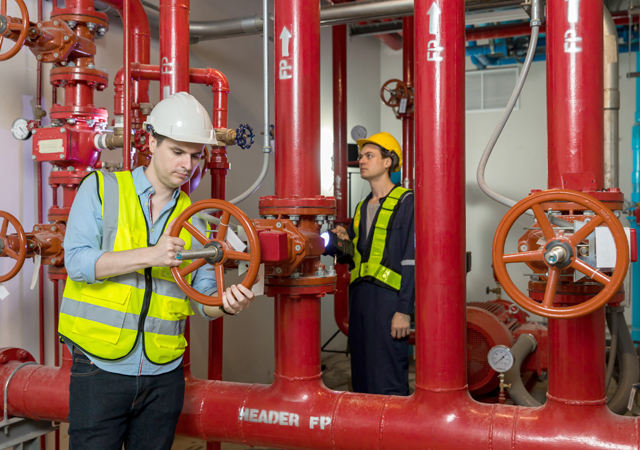
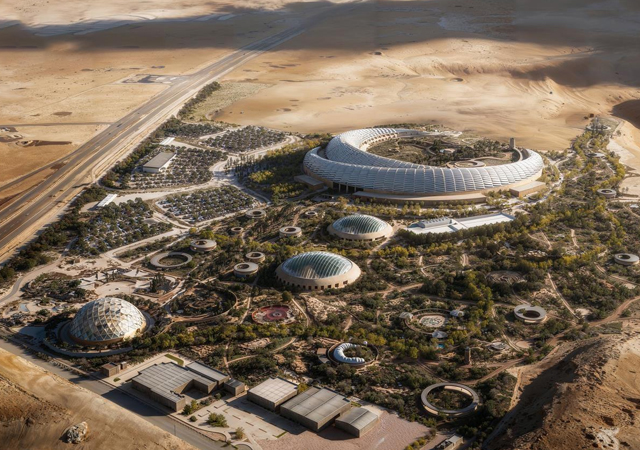
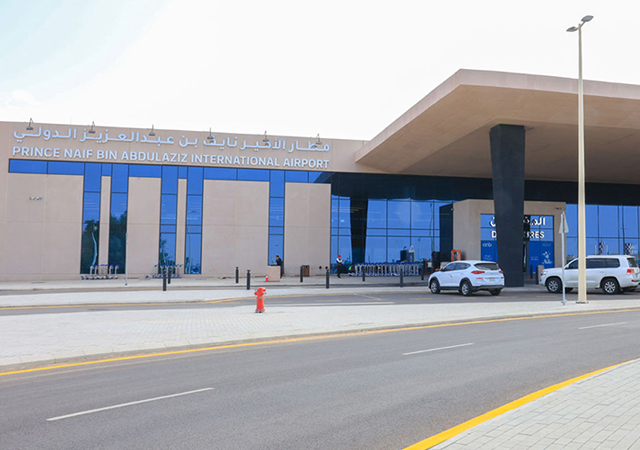
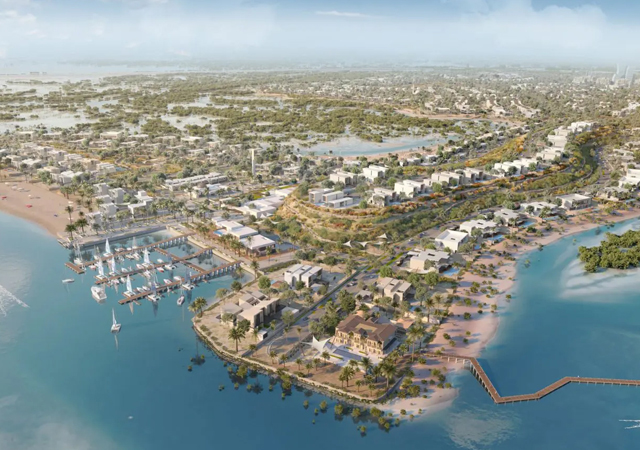
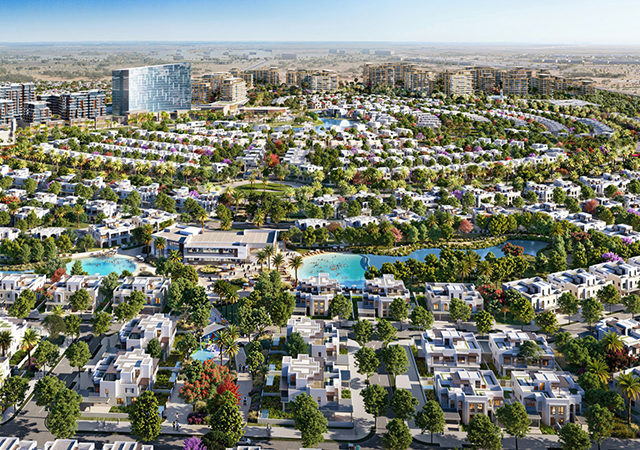
Establishing fire-fighting infrastructure in isolated developments is a key consideration.
On ground realities
One of the clearest takeaways is that SBC 2024 is already influencing design and approval decisions in tangible ways. Rather than triggering wholesale redesign, the code is being applied with a growing emphasis on practicality, continuity and intent, allowing projects to move forward while still meeting higher safety expectations.
SBC 2024 introduces a number of long-awaited practical refinements. Greater flexibility around aerial fire-truck access is a good example. Previously, this requirement was often seen as excessive or impractical in certain regional contexts, and could be discussed on a case-by-case basis with the authorities. The updated approach reflects a more nuanced balance between international best practice and the realities of Saudi developments, making compliance more achievable without compromising safety intent.
Where previously designers would approach the local authority in smaller and more remote communities for their approval to remove aerial apparatus access, taking up their time and effort, now we see this practice regularised within the SBC 2024, providing consistency across projects in these communities, and smoothing the path to approval for these topics.
Another welcome development is the clear referencing of SASO (Saudi Arabian Standards Organization) and equivalent testing methodologies. While still an early step, this signals progress towards a more localised testing, listing and certification framework. Over time, closer alignment with national standards has the potential to reduce reliance on international listings that may not always reflect local conditions, and instead support a system that is both globally credible and regionally appropriate.
SBC 2024 also places clearer emphasis on performance-based solutions, although this is not an entirely new concept. Previous editions already allowed engineered and alternative approaches, provided the intent of the code could be demonstrated and authority approval obtained. What has changed is the industry’s confidence. The six years between SBC 2018 and SBC 2024 gave the market time to test these approaches through real projects, technical debates and workshops with authorities.
As a result, tools such as smoke modelling, evacuation analysis and fire dynamics studies are now better understood and more appropriately applied, particularly on complex developments where rigid prescriptions do not always fit.
Performance-based approaches are, therefore, being proposed and accepted more frequently than in earlier years, reflecting a maturing market and growing trust in fire engineering methodologies, as well as increased complexity and ambition in project designs, rather than any fundamental shift in regulatory expectations.
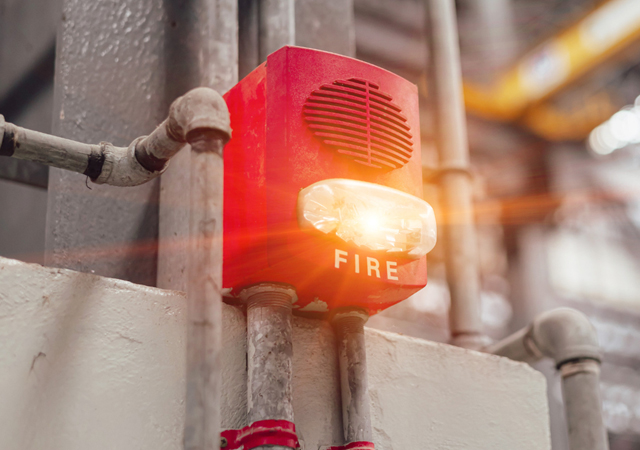
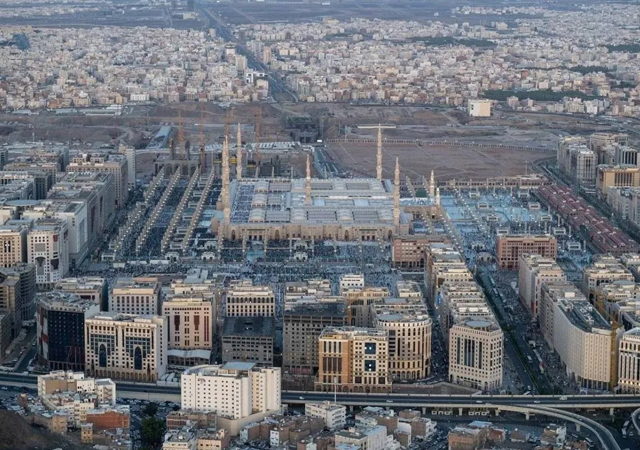
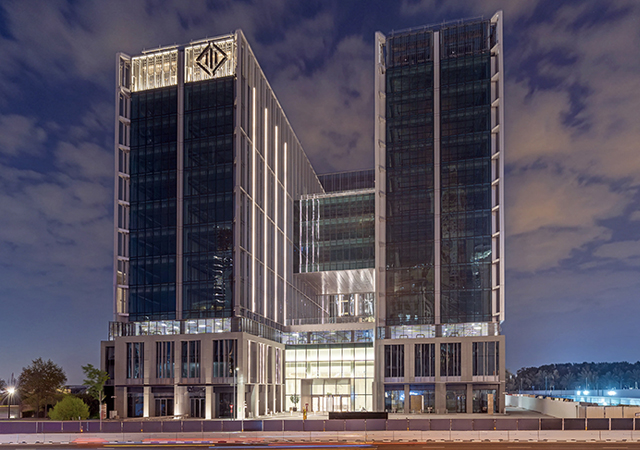
Fire and life safety ... a key issue addressed by SBC 2024.
Thoughtful transition
The transition from SBC 2018 to SBC 2024 has also been handled with a level of pragmatism that reflects the realities of giga-project delivery. Where projects had already reached key approval milestones under the previous code before the transition date, they have generally been permitted to continue under SBC 2018. This approach recognises that sudden shifts in design requirements could otherwise result in years of rework and significant disruption.
In practical terms, projects with detailed designs fully approved before the cut-off date have been able to proceed under the earlier edition. Projects that had achieved schematic design approval and addressed major authority comments have also been allowed to continue, provided they progressed swiftly into detailed design within an agreed timeframe. Only those projects that had not reached these milestones have been required to adopt SBC 2024 in full.

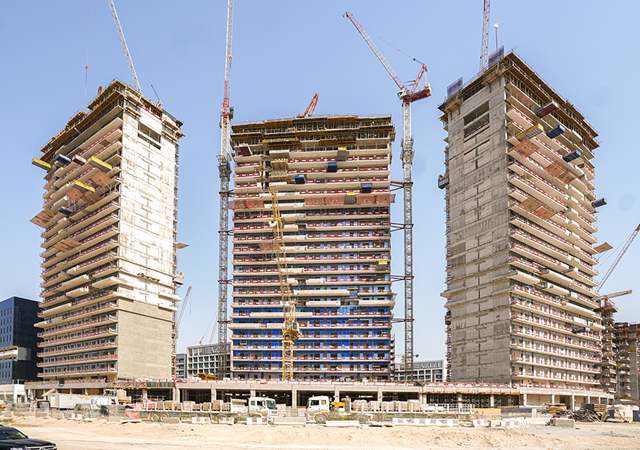
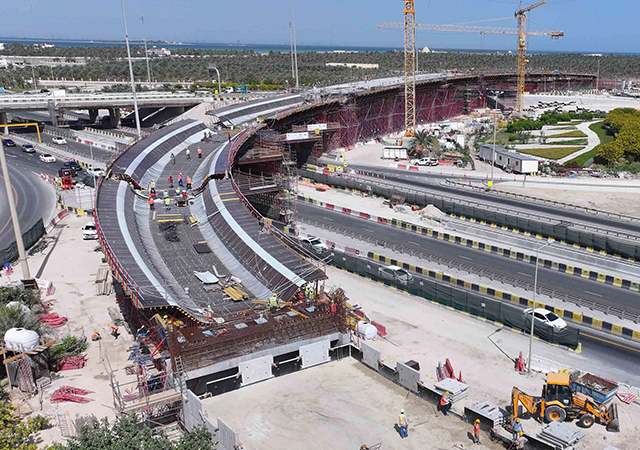
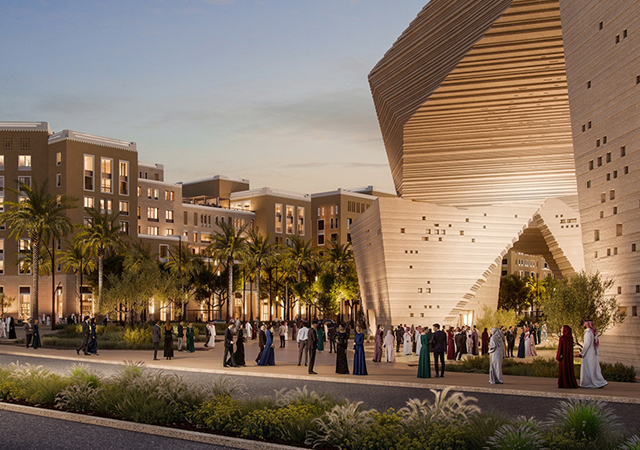
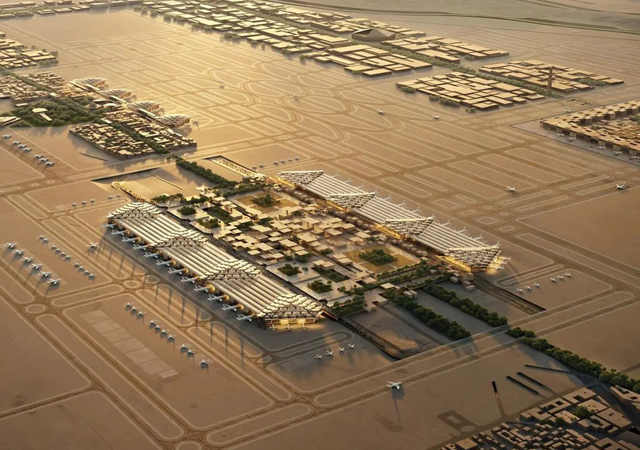
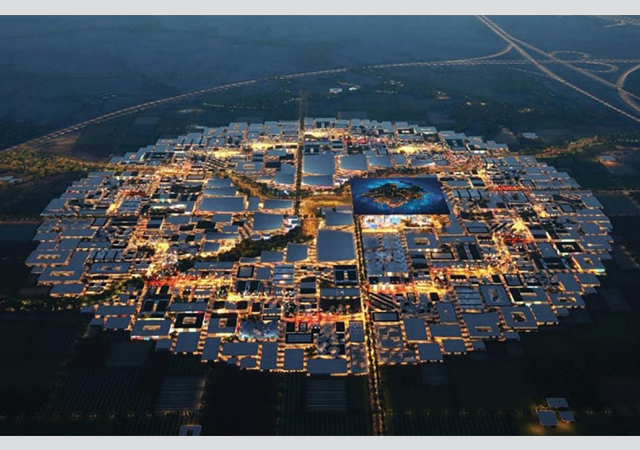
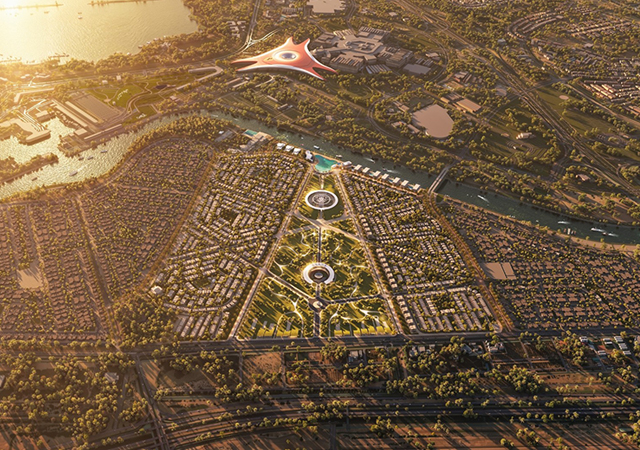
The sheer scale and ambition of Saudi mega-projects present challenges that go beyond any single code.
Special considerations for complex developments
That said, the transition has not been without its nuances. Ongoing projects that were submitted under earlier codes but had not yet secured approval now fall under SBC 2024, creating a real risk of duplicated effort if the change is not carefully managed. Early clarification and structured engagement remain essential to ensure that adjustments are proportionate and do not undermine progress already made.
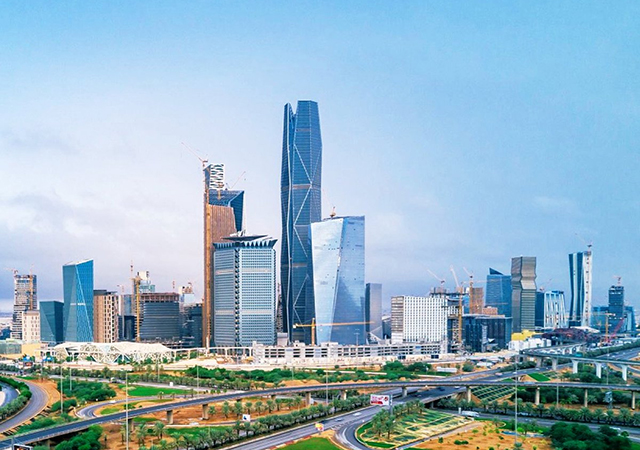
More broadly, the sheer scale and ambition of Saudi mega-projects present challenges that go beyond any single code. These developments are often larger, taller and more complex than what many global standards were originally written for. The challenge is not simply to comply, but to achieve fire and life safety in a way that fits the realities of rapid delivery, remote locations and highly innovative architectural concepts.
Recurring considerations include establishing fire-fighting infrastructure in isolated developments, interpreting access requirements in remote areas, and clearly distinguishing between smoke control and smoke ventilation strategies in large, enclosed spaces.
Another challenge, not unique to Saudi Arabia but magnified by scale, is the transition from fire and life safety design to operation. Too often, operational strategies are developed independently of the approved design intent, undermining years of engineering work. There is growing recognition that clearer operational fire and life safety mandates could help close this gap, and the kingdom is well placed to lead internationally in this area.
Encouragingly, recent projects and stakeholder discussions indicate a growing interest among owners and operators in operational fire and life safety planning, with greater emphasis on aligning emergency procedures, staffing, training and maintenance regimes with the original design assumptions. This shift is particularly critical in remote or newly developed regions, where fire stations, response capabilities and supporting services must often be established from the ground up, requiring early integration between planners, authorities and operators to ensure that response strategies are realistic and sustainable.
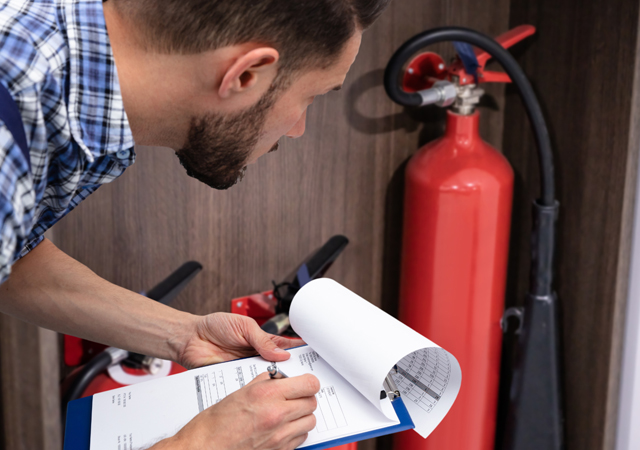
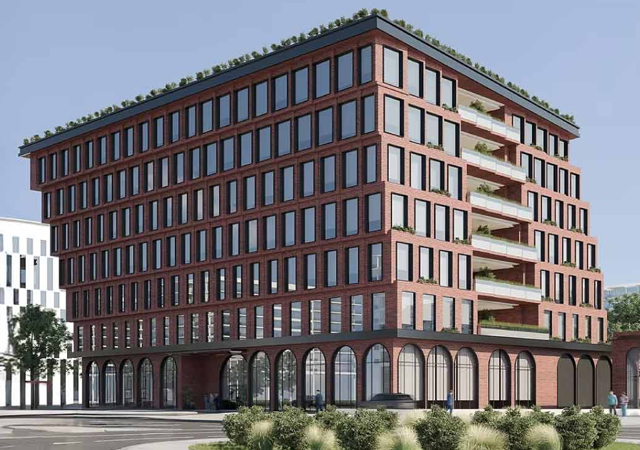
SBC 2024 is reinforcing a broader shift in the Saudi construction market to compliance as an integrated part of quality, risk management and long-term asset value.
Turning mandatory compliance into best practice
Perhaps the most important lesson from the past eight months is that compliance works best when it is treated as a foundation, not a final hurdle. Projects that are progressing most smoothly are those that engage fire and life safety expertise early, align design decisions with authority expectations from the outset, and use performance-based tools selectively and transparently to support the intent of the code.
Evidence-based approaches such as modelling and simulation are proving invaluable, not as a way to avoid requirements, but as a way to clearly demonstrate equivalency where alternative solutions are justified. Just as importantly, structured and early engagement with authorities helps resolve interpretation questions before they become programme risks.
Ultimately, SBC 2024 is reinforcing a broader shift in the Saudi construction market, from compliance as a checkbox exercise to compliance as an integrated part of quality, risk management and long-term asset value.
The message is clear. SBC 2024 is not simply raising standards; it is encouraging a more collaborative, practical and forward-looking compliance culture, that reflects the kingdom’s ambition to deliver some of the most significant and secure developments globally.